


Restaurant Management Tips That Can Improve Customer Satisfaction and Increase Profits
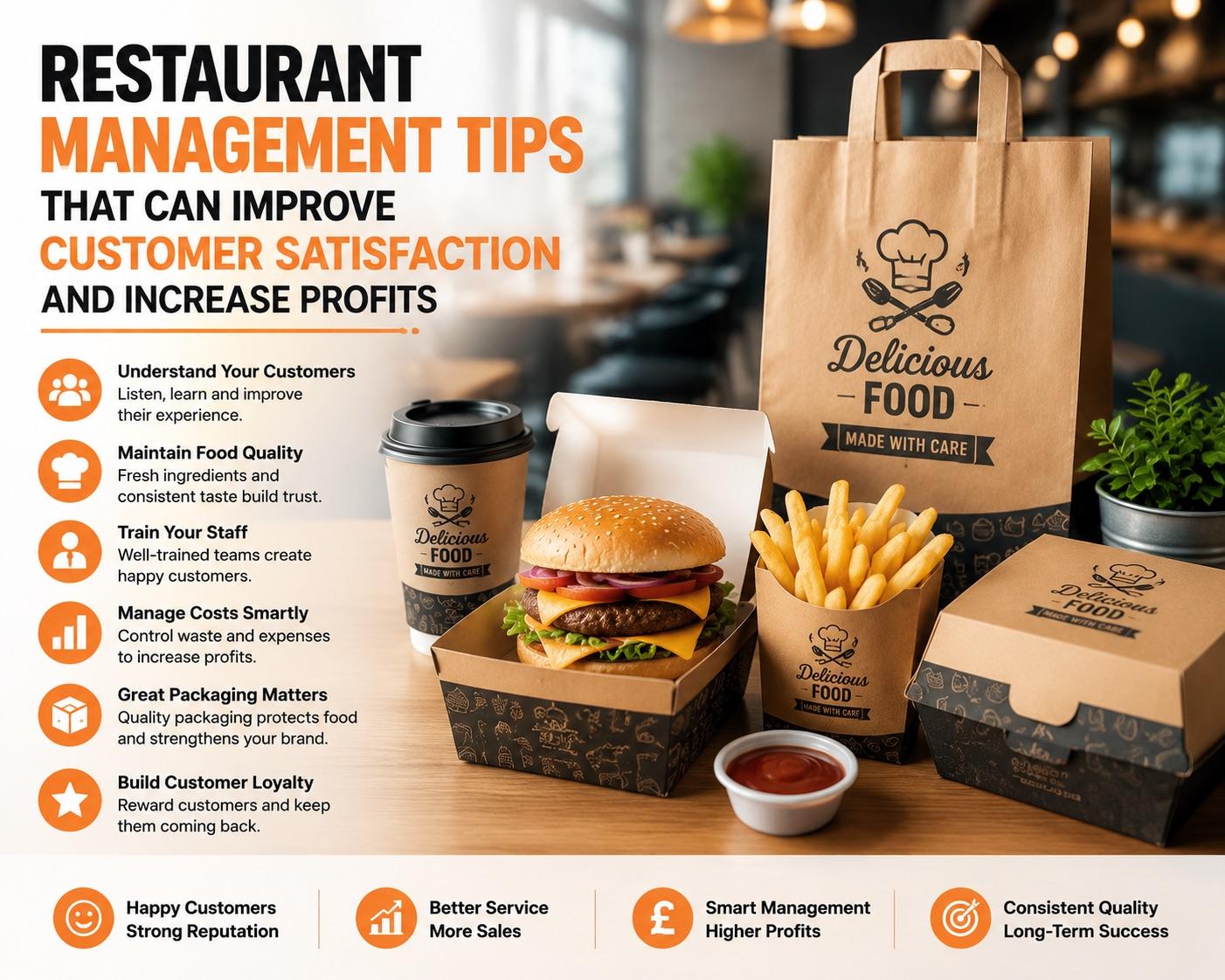
Running a successful restaurant requires more than serving delicious food. Behind every great dining experience is careful planning, strong management, and attention to customer needs. Restaurant owners and managers must focus on many areas, including food quality, staff performance, cleanliness, service speed, and customer satisfaction.
In today’s competitive food industry, customers have many choices. A restaurant that provides excellent service and creates a positive experience has a better chance of building loyal customers. Good management helps businesses improve daily operations, reduce problems, and increase profits over time.
Small improvements in the way a restaurant is managed can create a big difference. From improving communication with staff to creating better food presentation, every detail plays an important role in business success.
Understand Your Customers Better
The first step to improving a restaurant is understanding customer expectations. Every customer has different needs, but most people look for quality food, friendly service, and a comfortable experience.
Restaurant managers should regularly collect feedback through:
-
Customer reviews
-
Online surveys
-
Social media comments
-
Direct conversations
Listening to customers helps identify what is working well and what needs improvement.
When customers feel heard, they develop a stronger connection with the restaurant. This connection can lead to repeat visits and positive recommendations.
Understanding customer preferences also helps restaurants create better menus, improve service, and make smarter business decisions.
Maintain Consistent Food Quality
Food quality is one of the biggest factors affecting customer satisfaction. A customer may forgive a small mistake, but they expect consistency when they return.
Restaurants should focus on:
-
Fresh ingredients
-
Proper food preparation
-
Clear recipes
-
Regular quality checks
-
Good kitchen organisation
Every meal should meet the same standard, whether it is a customer’s first visit or their tenth visit.
Consistency builds trust. When customers know they will receive the same great experience every time, they are more likely to become loyal supporters of the brand.
Improve Restaurant Presentation
Presentation influences how customers view a meal before they even taste it. Attractive food presentation can make dishes feel more valuable and enjoyable.
However, presentation is not limited to the plate. Packaging also plays an important role, especially for takeaway and delivery businesses.
Using Custom Food Boxes helps restaurants create a professional image while protecting meals during transport. Well-designed packaging can improve customer experience and make the brand more memorable.
Good presentation shows customers that the restaurant cares about every detail.
Train Staff for Better Service
Employees are the face of a restaurant. Friendly and knowledgeable staff can turn a simple meal into a positive experience.
Restaurant managers should provide regular training covering:
-
Customer communication
-
Food knowledge
-
Problem-solving skills
-
Safety procedures
-
Service standards
Well-trained employees feel more confident and perform better.
Staff should understand that customer service is not only about taking orders. It is about making guests feel welcomed, respected, and valued.
A positive interaction with staff can strongly influence whether customers return.
Focus on Cleanliness and Safety
Cleanliness is essential for every restaurant. Customers expect a safe and hygienic environment when they choose where to eat.
Managers should create clear cleaning routines for:
-
Dining areas
-
Kitchens
-
Restrooms
-
Storage areas
-
Equipment
Food safety should always be a priority. Proper storage, handling, and preparation methods protect customers and protect the restaurant’s reputation.
A clean restaurant creates confidence. Customers are more likely to return when they feel comfortable and safe.
Manage Costs Without Reducing Quality
Increasing profits does not always mean increasing prices. Smart cost management can improve profitability while maintaining quality.
Restaurants can control costs by:
-
Reducing food waste
-
Managing stock carefully
-
Planning staff schedules
-
Reviewing supplier prices
-
Tracking daily expenses
Good financial management helps businesses understand where money is being spent.
Managers should regularly review costs and find areas where improvements can be made without affecting the customer experience.
Use Technology to Improve Operations
Technology has become an important part of modern restaurant management. Digital tools can make daily tasks easier and more efficient.
Useful technology solutions include:
-
Online ordering systems
-
Reservation platforms
-
Inventory management tools
-
Digital payment options
-
Customer relationship software
These tools help restaurants save time, reduce mistakes, and improve customer convenience.
Technology should support staff and customers by creating smoother processes.
Create a Strong Brand Identity
A strong brand helps restaurants stand out from competitors. Customers remember businesses that have a clear personality and consistent experience.
Brand identity includes:
-
Logo design
-
Restaurant atmosphere
-
Packaging style
-
Customer communication
-
Online presence
Every customer interaction should reflect the restaurant’s values.
A strong identity helps customers recognise the business and creates emotional connections that encourage loyalty.
Improve Online Reputation
Online reviews have a major influence on customer decisions. Many people check reviews before choosing a restaurant.
Managers should encourage satisfied customers to share their experiences while responding professionally to feedback.
Positive online reputation can help attract new customers.
When responding to negative reviews, restaurants should remain polite and focus on finding solutions. This shows potential customers that the business values customer satisfaction.
Offer a Better Delivery Experience
Food delivery has become a major part of the restaurant industry. Customers expect meals to arrive fresh, organised, and presentable.
Restaurants should focus on:
-
Reliable delivery times
-
Secure packaging
-
Accurate orders
-
Clear communication
A poor delivery experience can affect how customers view the entire restaurant.
Good delivery systems help maintain food quality and create a positive experience even outside the restaurant.
Build Customer Loyalty
Keeping existing customers is often easier than finding new ones. Loyal customers provide regular income and recommend the restaurant to others.
Restaurants can improve loyalty through:
-
Reward programmes
-
Special offers
-
Personalised messages
-
Exclusive events
Small gestures can make customers feel appreciated.
A customer who feels valued is more likely to return and share positive experiences with others.
Adapt to Changing Trends
The food industry is always changing. Successful restaurants stay aware of new customer expectations and market trends.
Businesses should regularly review:
-
Menu choices
-
Customer preferences
-
Technology changes
-
Sustainability expectations
Being flexible allows restaurants to improve and remain competitive.
However, changes should always support the brand’s main values and customer needs.
Build Strong Supplier Relationships
Reliable suppliers are important for maintaining quality and controlling costs.
Restaurants should develop good relationships with suppliers by:
-
Communicating clearly
-
Planning orders properly
-
Reviewing product quality
-
Negotiating fairly
Strong supplier partnerships help ensure consistent ingredients and smoother operations.
Reliable supplies support better food quality and customer satisfaction.
Create a Positive Restaurant Culture
A successful restaurant depends on a strong team. Managers should create a workplace where employees feel respected and supported.
A positive culture improves:
-
Staff motivation
-
Customer service
-
Team communication
-
Employee retention
Happy employees are more likely to provide better service.
When staff and management work together, the entire restaurant benefits.
Final Thoughts
Effective restaurant management plays an important role in improving customer satisfaction and increasing profits. From maintaining food quality to improving service, every decision affects the customer experience.
Restaurants that focus on customer needs, staff training, smart operations, and professional presentation can create stronger relationships with their audience.
Using packaging UK solutions and thoughtful management strategies allows businesses to deliver better experiences while building a stronger brand identity.
Success in the restaurant industry comes from consistent improvement. By paying attention to details and creating memorable experiences, restaurants can increase customer loyalty, improve profits, and grow successfully in a competitive market.

 Arabic
 French
 Spanish
 Portuguese
 Deutsch
 Turkish
 Dutch
Dutch
 Italiano
 Russian
 Romaian
 Portuguese (Brazil)
 Greek
Greek
 Bengali