


Cubhub Implementation Mistakes: 8 Common Errors Healthcare Agencies Should Avoid
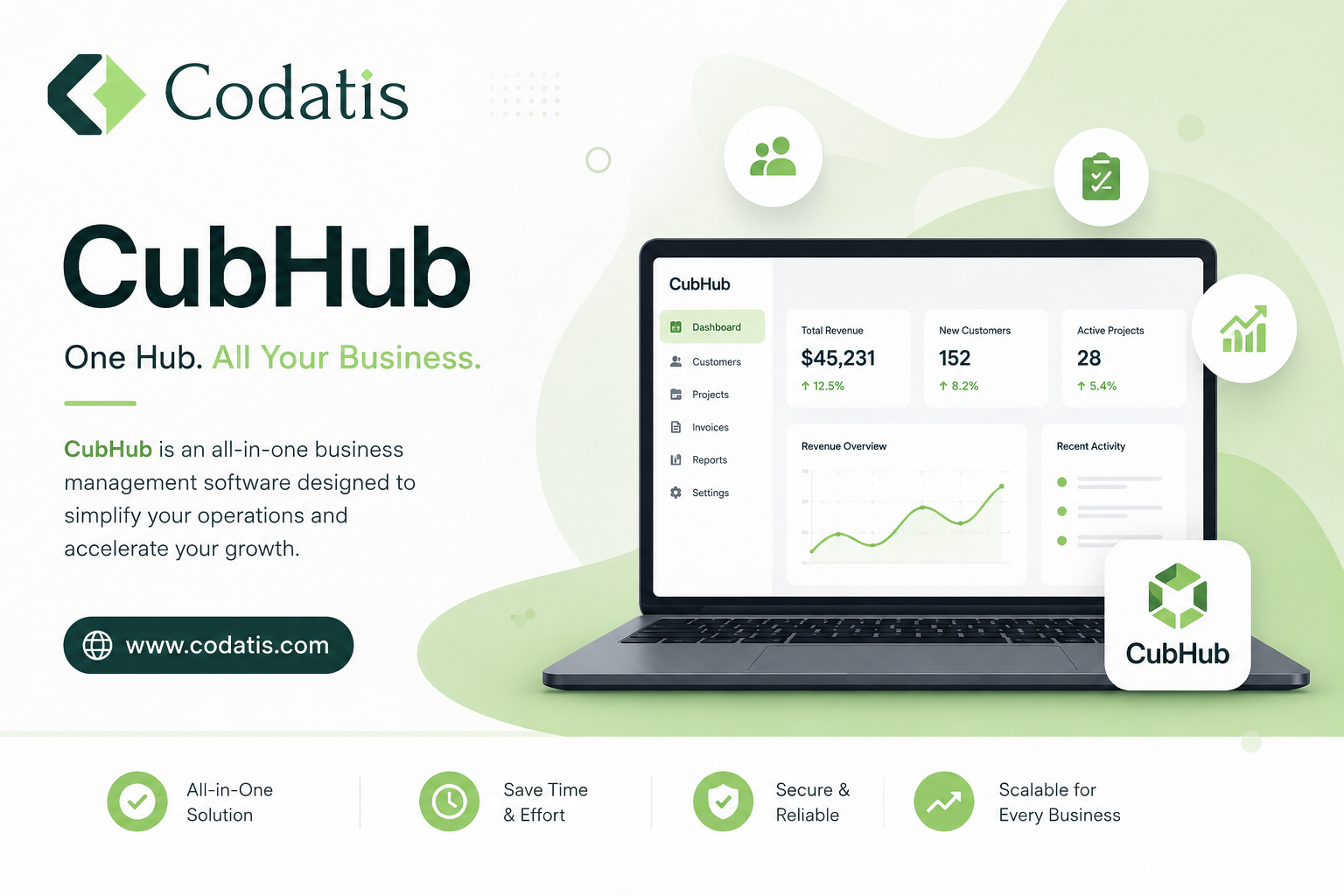
Implementing healthcare software is one of the biggest technology investments an agency can make. While choosing the right platform is important, the way it's implemented often determines whether the project becomes a long-term success or an expensive frustration.
Many organizations expect new software to solve operational problems immediately. However, even the best platform cannot fix inefficient workflows, poor training, or unrealistic implementation timelines.
Healthcare providers evaluating Cubhub should understand that successful adoption requires planning, communication, and continuous improvement. Instead of focusing only on software features, agencies should also prepare employees, review existing workflows, and establish measurable implementation goals.
This guide explores eight common implementation mistakes and explains how healthcare organizations can avoid them to maximize the value of their software investment.
Mistake #1: Choosing Software Without Defining Business Goals
One of the most common mistakes is purchasing software before identifying organizational objectives.
Instead of asking, "Which platform has the most features?" agencies should ask questions such as:
-
Do we want faster documentation?
-
Are scheduling delays affecting productivity?
-
Do clinicians spend too much time on paperwork?
-
Is reporting taking too long?
When organizations define measurable goals first, implementing Cubhub becomes much more strategic.
Clear objectives also make it easier to evaluate software performance after deployment.
Mistake #2: Ignoring Employee Feedback
Frontline healthcare professionals interact with software every day.
If nurses, therapists, and office staff aren't involved during planning, organizations may overlook important workflow challenges.
Employees should participate in:
-
Software evaluations
-
Workflow discussions
-
Pilot testing
-
Training sessions
-
Post-launch feedback
Including staff early often leads to stronger adoption and fewer implementation issues.
Mistake #3: Overlooking Login Security
Secure system access protects sensitive patient information while supporting daily productivity.
Organizations should carefully evaluate the Cubhub login process before deployment.
Questions to consider include:
-
Is authentication secure?
-
Can users reset passwords easily?
-
Are permissions role-based?
-
Is remote access protected?
Testing the Cub Hub login experience across multiple devices helps ensure staff can access information quickly without compromising security.
Mistake #4: Providing Limited Employee Training
Even intuitive software requires proper training.
Healthcare organizations should ensure Cubhub login for employees is supported by comprehensive onboarding that teaches staff how to navigate dashboards, locate patient information, complete documentation, and communicate with colleagues.
Effective training often includes:
-
Interactive workshops
-
Video tutorials
-
Practice environments
-
Quick-reference guides
-
Ongoing refresher sessions
Organizations that invest in education typically experience smoother implementations.
Mistake #5: Not Testing Mobile Workflows
Today's healthcare professionals frequently work outside traditional office environments.
Before launching organization-wide, agencies should evaluate whether the Cubhub app supports real clinical workflows.
Testing should include:
-
Patient documentation
-
Schedule management
-
Secure messaging
-
Care plan access
-
Offline functionality
Healthcare teams should also verify that the Cub Hub app performs consistently across different mobile devices and operating systems.
Mistake #6: Skipping the Product Demonstration
Some organizations make purchasing decisions after reviewing brochures or online feature lists.
A live Cubhub demo provides a much clearer understanding of how clinicians and administrators will use the software in daily operations.
During the demonstration, organizations should evaluate:
-
Navigation
-
Documentation speed
-
Reporting tools
-
Scheduling workflows
-
Mobile capabilities
-
User permissions
Scheduling a second Cubhub demo with frontline staff often reveals practical insights that leadership teams might miss.
Mistake #7: Comparing Only Cubhub Pricing
Budget considerations are important, but selecting software based solely on cost can create long-term challenges.
When reviewing Cubhub Pricing, organizations should also evaluate:
-
Implementation assistance
-
Customer support
-
Employee training
-
Future upgrades
-
Integration capabilities
-
Scalability
Looking beyond Cubhub Pricing helps agencies understand the platform's overall value rather than simply its initial expense.
Mistake #8: Ignoring User Reviews and Technical Requirements
Real-world user experiences provide valuable insights that product brochures cannot.
Reading multiple Cubhub reviews helps organizations understand common strengths and challenges reported by healthcare professionals.
Agencies should also review Cubhub specifications before implementation to ensure the platform supports their operational and technical requirements.
Key areas include:
-
Security features
-
Cloud infrastructure
-
Reporting capabilities
-
Device compatibility
-
Integration options
-
Performance requirements
Evaluating both Cubhub reviews and Cubhub specifications creates a more informed software selection process.
Best Practices for a Successful Cubhub Rollout
Healthcare organizations can improve implementation outcomes by following a structured approach.
Recommended practices include:
Create an Implementation Timeline
Break the project into manageable phases instead of launching everything at once.
Assign Internal Champions
Identify experienced employees who can support colleagues throughout the rollout.
Monitor Performance Metrics
Measure documentation speed, user adoption, reporting efficiency, and employee satisfaction.
Continue Improving Workflows
Implementation should be viewed as an ongoing process rather than a one-time event.
Frequently Asked Questions
What is Cubhub?
Cubhub is a healthcare management platform designed to streamline documentation, scheduling, reporting, and workflow management for healthcare providers.
What is Cubhub login used for?
The Cubhub login portal provides authorized users with secure access to patient information, schedules, and clinical documentation.
What is Cubhub login for employees?
Cubhub login for employees allows staff members to securely access role-specific tools, patient records, and operational resources required for their daily responsibilities.
Why is the Cubhub app important?
The Cubhub app enables healthcare professionals to access patient information, manage schedules, and complete documentation while working remotely.
Why should organizations request a Cubhub demo?
A Cubhub demo helps healthcare providers evaluate workflows, usability, reporting capabilities, and software compatibility before implementation.
What should agencies consider besides Cubhub Pricing?
In addition to Cubhub Pricing, organizations should review implementation services, customer support, scalability, training, integrations, and long-term operational value.
Are Cubhub reviews useful?
Yes. Reading Cubhub reviews provides valuable insight into software usability, implementation experiences, customer support, and workflow efficiency.
Why should organizations review Cubhub specifications?
Understanding Cubhub specifications helps agencies confirm that the platform meets current technical requirements while supporting future organizational growth.
Final Thoughts
Technology alone doesn't guarantee operational success. The organizations that achieve the best results are those that prepare employees, optimize workflows, and evaluate software thoroughly before implementation.
Whether you're researching Cubhub, exploring Cub Hub, testing the Cubhub app, reviewing Cubhub specifications, requesting a Cubhub demo, comparing Cubhub Pricing, or reading Cubhub reviews, taking a strategic approach will help you make a more informed decision. A secure Cubhub login, reliable Cub Hub login, efficient Cubhub login for employees, and practical Cubhub charting for nurses further contribute to smoother adoption and stronger long-term performance.
Avoiding these common implementation mistakes allows healthcare organizations to maximize their software investment while delivering more efficient, patient-focused care.

 Arabic
 French
 Spanish
 Portuguese
 Deutsch
 Turkish
 Dutch
Dutch
 Italiano
 Russian
 Romaian
 Portuguese (Brazil)
 Greek
Greek
 Bengali