


Why User-Generated Content Is Creating New Opportunities for Game Development Companies
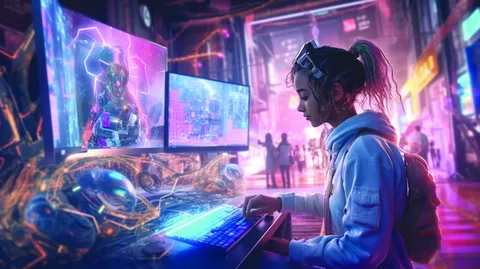
The gaming industry has always been driven by creativity, but a major shift is changing how games are built, experienced, and expanded. Today, players are no longer just consumers who complete content created by developers. They are becoming active contributors who design levels, create characters, build communities, and influence the future direction of games.
This growing trend is known as user-generated content (UGC), and it is opening new opportunities for studios worldwide. By allowing players to contribute ideas and creations, games can become more dynamic, personalised, and community-driven.
For every game development company, user-generated content represents a powerful opportunity to increase engagement, extend a game's lifespan, and create stronger relationships with players. Instead of producing all content internally, developers can build platforms where communities actively participate in shaping the gaming experience.
This article explores how user-generated content is transforming game development, why it matters for businesses, and how studios can use this trend to create more innovative and sustainable gaming experiences.
Understanding User-Generated Content in Gaming
User-generated content refers to any game content created by players rather than the official development team.
This can include:
- Custom game levels
- Character designs
- Maps
- Game modes
- Skins and cosmetic items
- Stories and quests
- Mods
- Virtual environments
- Gameplay experiences
Some games provide dedicated tools that allow players to create and share content directly within the platform. Others rely on external communities where players modify or expand existing experiences.
The concept has grown significantly because modern players want more than entertainment. They want creativity, ownership, and participation.
Why User-Generated Content Is Becoming More Important
Several factors are driving the growth of UGC in the gaming industry.
Players Want Creative Freedom
Modern gamers increasingly enjoy creating as much as playing.
Building a custom level, designing a character, or creating a unique game mode gives players a deeper connection with the experience. They become part of the game's ecosystem rather than passive users.
This emotional investment often leads to stronger communities and longer engagement.
Games Are Becoming Long-Term Platforms
Many successful games are no longer viewed as one-time products. Instead, they function as evolving platforms where players return regularly for new experiences.
User-generated content helps maintain this momentum by providing a constant stream of fresh ideas and activities.
Rather than depending only on internal development teams, studios can encourage communities to expand the game naturally.
Technology Has Made Creation Easier
Advanced development tools have made content creation more accessible.
Players no longer need professional programming skills to build impressive experiences. Modern creation systems often include:
- Visual editors
- Drag-and-drop tools
- AI-assisted features
- Asset libraries
- Community marketplaces
These tools allow more people to participate in game creation.
How UGC Benefits Game Development Companies
User-generated content creates several advantages for development studios.
Increased Player Engagement
One of the biggest benefits of UGC is improved player retention.
When players can create and share content, they have more reasons to return. They may revisit the game to:
- Try new community creations
- Share their own work
- Participate in competitions
- Collaborate with other players
This continuous activity strengthens the relationship between players and the game.
Extended Game Lifecycles
Creating new official content requires significant time and resources.
UGC allows communities to contribute additional experiences that keep games active for years.
A successful user-generated content ecosystem can transform a game from a single release into a continuously growing platform.
For a game development company, this creates opportunities to build long-lasting products instead of short-term projects.
Reduced Content Production Pressure
Professional developers still play an important role in maintaining quality and direction. However, UGC can reduce some pressure by allowing communities to contribute ideas and experiences.
Players can generate:
- New challenges
- Creative concepts
- Alternative gameplay styles
- Community events
This gives development teams more flexibility while maintaining an active ecosystem.
Building Stronger Gaming Communities
Communities are becoming one of the most valuable assets in modern gaming.
User-generated content encourages players to interact, collaborate, and share experiences. These communities often become powerful marketing channels because players naturally promote content they create and enjoy.
Strong communities can lead to:
- Organic growth
- Higher player loyalty
- Increased social engagement
- Better feedback
- Stronger brand recognition
For studios, community-driven growth can be more valuable than traditional advertising alone.
The Role of AI in User-Generated Content
Artificial intelligence is making UGC creation even more accessible.
AI-powered tools can help players generate:
- Concept ideas
- Game assets
- Dialogue
- Visual designs
- Level suggestions
- Music elements
These technologies allow more users to participate in content creation, even without advanced technical skills.
For developers, AI can also help manage large amounts of user-created content by assisting with:
- Content moderation
- Quality analysis
- Recommendation systems
- Community management
The combination of AI and UGC could significantly expand the possibilities of future game experiences.
Challenges of User-Generated Content
While UGC creates many opportunities, it also introduces challenges that studios must carefully manage.
Maintaining Quality Standards
Not every player-created experience will meet professional quality expectations.
Developers need systems that help identify high-quality content while preventing poor experiences from damaging the game's reputation.
Solutions may include:
- Rating systems
- Community reviews
- Featured content sections
- Creator guidelines
- Moderation tools
Content Moderation and Safety
Large gaming communities require effective moderation.
Studios must protect players from:
- Inappropriate content
- Copyright violations
- Harassment
- Exploitative behaviour
- Harmful material
Strong moderation policies are essential for maintaining a safe environment.
Intellectual Property Concerns
User-generated content can raise questions about ownership.
Development companies must establish clear policies regarding:
- Creator rights
- Content usage
- Revenue sharing
- Licensing agreements
Transparent guidelines help prevent conflicts and encourage more players to participate.
Monetisation Opportunities Through UGC
User-generated content can create new business models for gaming companies.
Possible monetisation approaches include:
- Creator marketplaces
- Premium user content
- Revenue-sharing programmes
- Cosmetic marketplaces
- Subscription features
- Creator tools
These models allow both developers and players to benefit from the ecosystem.
A successful UGC platform can create a sustainable economy where creators are rewarded for contributing valuable content.
The Impact on Mobile Gaming
The growth of smartphones has created new opportunities for user-generated experiences.
Businesses investing in mobile game development services are increasingly exploring ways to include community-driven features within mobile games.
Mobile UGC can include:
- Custom challenges
- Social features
- Player-created events
- Personalised avatars
- Community competitions
- Shared experiences
Because mobile devices are always connected, they provide an ideal environment for players to create, share, and interact with content.
As mobile gaming continues expanding globally, UGC will likely become an important feature for future mobile titles.
How Development Companies Can Prepare for UGC
Studios interested in leveraging user-generated content should focus on building the right foundation.
Create Accessible Tools
The success of UGC depends on how easy creation tools are to use.
Complex systems can discourage participation, while intuitive tools encourage more players to become creators.
Developers should focus on:
- Simple interfaces
- Helpful tutorials
- Flexible creation options
- Beginner-friendly features
Encourage Creator Communities
Creators need support and recognition.
Studios can encourage participation through:
- Creator programmes
- Community competitions
- Featured content
- Development feedback
- Educational resources
Supporting creators helps build a stronger ecosystem around the game.
Invest in Scalable Technology
UGC platforms require reliable technical infrastructure.
Companies need systems capable of handling:
- Large content libraries
- User uploads
- Online sharing
- Content discovery
- Security monitoring
Scalable technology ensures the platform can grow alongside its community.
The Future of User-Generated Content
The future of UGC is likely to become even more interactive and intelligent.
Emerging technologies may allow players to create entire game experiences using simple instructions. AI-powered creation tools could help users design worlds, characters, and gameplay systems without traditional development knowledge.
Future possibilities may include:
- AI-generated player environments
- Dynamic community events
- Personalised game worlds
- Creator-driven economies
- Real-time collaborative development
These innovations could blur the line between developers and players.
The gaming industry may move toward a future where everyone has the ability to contribute to the creation process.
Why Human Expertise Remains Essential
Although UGC and AI are expanding creative possibilities, professional developers remain crucial.
A successful game still requires:
- Strong design principles
- Technical expertise
- Creative direction
- Quality control
- Performance optimisation
- Strategic planning
Development companies provide the structure, tools, and vision that allow communities to create meaningful experiences.
The future will not be about replacing developers with players. Instead, it will be about creating partnerships between studios and communities.
Conclusion
User-generated content is changing the way games are created, played, and maintained. By giving players the ability to contribute ideas, designs, and experiences, studios can build stronger communities, increase engagement, and extend the lifespan of their games.
For every game development company, UGC represents a significant opportunity to move beyond traditional development models and create interactive ecosystems where players become active participants. However, success requires careful planning, effective moderation, scalable technology, and a strong focus on quality.
Similarly, companies providing mobile game development services can benefit from incorporating user-driven features that encourage creativity, social interaction, and long-term player engagement. As technology continues advancing, user-generated content will likely become one of the most influential forces shaping the future of gaming.
Frequently Asked Questions (FAQs)
1. What is user-generated content in gaming?
User-generated content (UGC) refers to game content created by players instead of the official development team. It can include custom levels, characters, maps, game modes, stories, and other player-created experiences.
2. How does user-generated content benefit a game development company?
A game development company can benefit from UGC by increasing player engagement, extending game lifecycles, building stronger communities, reducing content production pressure, and creating new monetisation opportunities.
3. How is AI improving user-generated content?
AI helps make content creation easier by assisting players with generating ideas, assets, designs, and gameplay elements. It also helps developers manage moderation, recommendations, and content organisation.
4. Why is UGC important for mobile game development services?
Mobile game development services can use UGC features to create more engaging experiences through player-created challenges, social interactions, custom content, and community-driven events that encourage long-term retention.
5. What challenges do developers face with user-generated content?
The main challenges include content moderation, maintaining quality standards, protecting intellectual property rights, managing large amounts of data, and creating systems that keep communities safe and engaged.

 Arabic
 French
 Spanish
 Portuguese
 Deutsch
 Turkish
 Dutch
Dutch
 Italiano
 Russian
 Romaian
 Portuguese (Brazil)
 Greek
Greek
 Bengali