


Arm Lift Surgery in Jeddah: Comprehensive Guide to Achieving Toned Arms
Arm Lift Surgery in Jeddah: Comprehensive Guide to Achieving Toned Arms
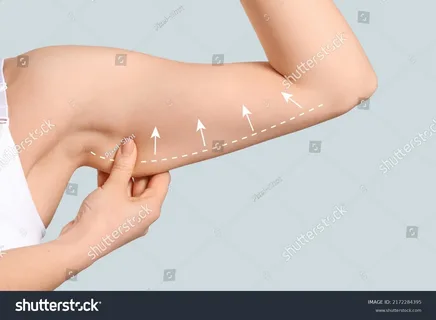
Arm lift surgery jeddah , medically known as brachioplasty, is a transformative cosmetic procedure designed to remove excess sagging skin and underlying fat from the upper arms. For individuals in Jeddah who have experienced significant weight loss, natural aging, or stubborn laxity that fails to respond to diet and exercise, this procedure offers a reliable solution. By tightening the remaining supportive tissue and smoothing the contour, brachioplasty restores a proportioned, youthful appearance to the upper extremities, allowing individuals to wear sleeveless clothing with renewed confidence.
Understanding the Brachioplasty Procedure
Brachioplasty is performed under general anesthesia or intravenous sedation to ensure patient comfort throughout the operation. The technique typically involves an incision placed on the inside or back of the arm, extending from the underarm (axilla) down to the elbow, depending on the volume of excess skin requiring removal. Through this incision, the surgeon excises redundant tissue and may utilize liposuction to refine the contour further. The remaining skin is then meticulously repositioned and closed with sutures to create a tauter, more defined arm profile.
Ideal Candidates for Arm Lift Surgery
Determining candidacy for an arm lift involves evaluating overall health, skin elasticity, and aesthetic goals. Ideal candidates generally include:
-
Significant Weight Loss Survivors: Individuals who have lost a substantial amount of weight, leaving loose, hanging skin that does not retract naturally.
-
Age-Related Laxity: Adults experiencing loss of skin firmness due to the natural breakdown of collagen and elastin over time.
-
Stable Weight: Patients who have maintained a stable weight for at least six months prior to the procedure.
-
Realistic Expectations: Individuals who understand the potential scarring associated with the surgery and are committed to maintaining a healthy lifestyle post-recovery.
Preparing for Your Procedure
Preparation is a critical phase that ensures both safety and optimal surgical outcomes. Patients undergo a thorough medical evaluation, which includes reviewing medical history, current medications, and baseline lab work. Key preparatory steps include:
-
Medication Adjustments: Ceasing the use of blood-thinning medications, anti-inflammatory drugs, and specific herbal supplements several weeks prior to surgery to minimize bleeding risks.
-
Smoking Cessation: Stopping nicotine use well in advance, as smoking impairs blood circulation and significantly delays the wound healing process.
-
Arranging Support: Organizing for a trusted companion to drive the patient home post-surgery and assist with daily activities during the initial recovery days.
Recovery Timeline and Post-Operative Care
The recovery period following arm lift surgery requires patience and strict adherence to post-operative guidelines. Swelling, bruising, and mild to moderate discomfort are expected during the first week. Patients are typically provided with a compression garment to wear continuously, which minimizes swelling and supports the newly contoured tissues.
-
First Week: Rest is paramount; strenuous upper body movements, heavy lifting, and raising the arms above shoulder level must be strictly avoided.
-
Weeks Two to Four: Gradual resumption of light, non-strenuous daily activities. Most patients can return to sedentary desk work after about ten to fourteen days.
-
Months Two and Beyond: Gradual reintroduction of exercise routines and heavy lifting, as cleared by the surgical team, ensuring the incision lines are fully matured and protected from excessive tension.
Potential Risks and Long-Term Results
Like any major surgical procedure, arm lift surgery carries inherent risks, including temporary numbness, swelling, infection, seroma formation, and noticeable scarring. However, choosing a qualified, experienced specialist significantly mitigates these complications. The long-term results are generally permanent, provided the patient maintains a stable weight and incorporates regular physical activity into their lifestyle, ensuring the upper arms remain sculpted, firm, and well-defined for years to come.

 English
 Arabic
 Spanish
 Portuguese
 Deutsch
 Turkish
 Dutch
Dutch
 Italiano
 Russian
 Romaian
 Portuguese (Brazil)
 Greek
Greek
 Bengali