


Exosomes Therapy for Hair Loss in Riyadh for Thinning Hair Concerns
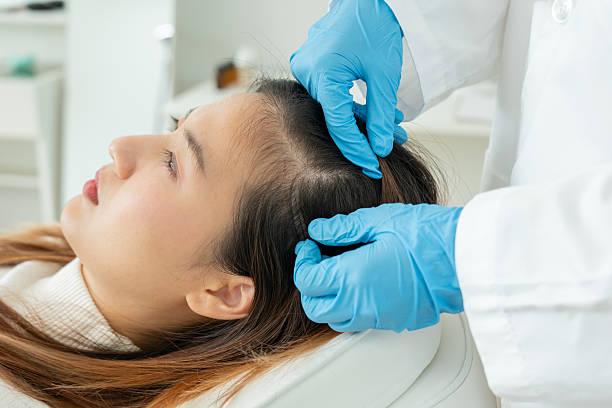
Hair thinning can gradually affect appearance, confidence, and everyday grooming habits. As people look for modern approaches to improve scalp and hair health, regenerative treatments such as Exosomes Therapy for Hair Loss in Riyadh have attracted growing attention. Exosomes are microscopic extracellular vesicles involved in cell-to-cell communication, and researchers are studying their potential role in supporting hair follicle activity and regeneration. Current clinical research is promising, but it is still developing, which makes understanding the treatment, potential benefits, limitations, and suitability important before considering it.
Understanding Exosomes Therapy for Hair Loss
Exosomes are tiny membrane-bound vesicles released by cells. They can carry signaling molecules, proteins, lipids, and other biological materials that participate in communication between cells. In hair research, scientists are particularly interested in whether exosome-based approaches can influence processes associated with follicle health, tissue repair, and hair growth.
Recent clinical reviews have reported improvements in measures such as hair density and thickness in some studies. However, researchers also emphasize that studies differ considerably in their sources of exosomes, preparation methods, treatment protocols, follow-up periods, and outcome measurements. Therefore, exosome therapy should be viewed as an emerging treatment rather than a universally established solution for every type of hair loss.
Why Exosomes Are Being Studied for Hair Regrowth
Hair follicles depend on complex interactions between follicular cells, surrounding tissues, blood supply, and signaling pathways. Research suggests that exosomes may influence some of these biological processes by delivering signaling molecules that can affect cellular activity.
Preclinical research has explored their possible effects on dermal papilla cells, follicular stem cells, and processes involved in tissue regeneration. These findings provide a scientific rationale for further investigation, although laboratory and early clinical results cannot guarantee the same outcomes for every individual.
Why Thinning Hair May Require a Personalized Approach
Hair thinning does not have one universal cause. Androgenetic alopecia, hormonal changes, nutritional deficiencies, stress, certain medical conditions, inflammatory scalp disorders, and medication-related changes can all contribute to hair loss. Identifying the underlying reason is therefore an important part of choosing an appropriate treatment strategy.
A professional assessment can help distinguish between different forms of hair loss and determine whether regenerative treatment is appropriate. For someone searching for Exosomes Therapy for Hair Loss in Riyadh, understanding the cause of thinning hair can be just as important as understanding the treatment itself.
Recognizing Different Hair Loss Patterns
Androgenetic alopecia is one of the most common causes of progressive thinning and can affect both men and women. It may appear as a widening part, reduced density around the crown, a receding hairline, or generalized thinning. Other forms of hair loss may appear suddenly or in clearly defined patches.
Because the pattern and cause can influence treatment decisions, an evaluation may include a discussion of medical history, family history, scalp condition, recent changes in health, and hair-loss progression. This helps create a more informed treatment plan instead of relying on a one-size-fits-all approach.
Potential Benefits of Exosome-Based Hair Treatments
Interest in exosome therapy largely comes from its potential regenerative and signaling properties. Clinical studies reviewed in recent research have reported improvements in at least one hair-related measurement, including density, thickness, or patient satisfaction. Some studies have also reported favorable short-term safety outcomes.
Nevertheless, these findings should be interpreted carefully. A 2025 systematic review found encouraging clinical results but also highlighted small sample sizes, different exosome sources, inconsistent protocols, and varying follow-up periods. More standardized, high-quality clinical trials are needed before firm conclusions can be made about long-term effectiveness.
Supporting Hair Density and Thickness
One of the most important areas of research is whether exosome-based treatments can improve measurable hair density and thickness. Some clinical studies have reported positive changes in these parameters, which is particularly relevant for people experiencing gradual thinning.
However, improvement can vary depending on the cause and stage of hair loss, individual biology, treatment formulation, and other factors. Exosome therapy should therefore not be promoted as a guaranteed method of restoring all lost hair.
Supporting Scalp and Follicle Health
Healthy hair growth depends on the condition of the scalp and the activity of the follicles. Researchers are investigating whether exosome-associated signaling can support the cellular environment around hair follicles.
This regenerative concept is one reason exosomes are receiving attention within modern hair restoration research. Even so, the biological mechanisms observed in laboratory studies still require further confirmation through larger and better-controlled human trials.
What to Expect From Exosomes Therapy for Hair Loss
Before treatment, a qualified healthcare professional should assess the individual's hair-loss pattern and discuss realistic expectations. The consultation is an opportunity to understand why hair is thinning and whether an exosome-based approach is appropriate.
The exact treatment process can differ depending on the formulation, delivery method, and clinical protocol. Patients should receive clear information about what product is being used, how it is prepared, how it will be administered, expected outcomes, possible side effects, and the evidence supporting its use.
Recovery and Results Can Vary
The recovery experience depends on the specific method used. Some people may experience temporary scalp sensitivity, redness, swelling, or discomfort following procedures involving injections or other forms of administration. A healthcare professional should explain expected reactions and when additional medical attention may be appropriate.
Hair growth is also a gradual biological process. Even when a treatment appears promising, visible changes may take time and cannot be guaranteed. Tracking hair density and overall scalp condition over time can help provide a more objective assessment of progress.
Exosomes Therapy for Hair loss in Saudi Arabia
Interest in Exosomes Therapy for Hair loss in Saudi Arabia reflects a broader movement toward regenerative approaches in aesthetic and dermatological care. Patients increasingly want treatments that focus not only on appearance but also on supporting the biological environment associated with healthy hair growth.
At the same time, patients should distinguish between scientific evidence and promotional claims. Current research suggests potential, but exosome-based hair treatment remains an evolving area of medicine. A recent systematic review concluded that more high-quality research is necessary to establish standardized treatment protocols and confirm long-term efficacy and safety.
Why Medical Evaluation Matters
A consultation is important because exosome treatment may not be appropriate for every type of hair loss. For example, hair shedding caused by an underlying nutritional, hormonal, inflammatory, or systemic problem may require investigation and management of the underlying condition.
A qualified professional can also explain whether established hair-loss treatments may be more appropriate or whether an emerging regenerative option could reasonably be considered as part of an individualized plan.
Safety and Important Considerations
Safety should remain a central consideration when evaluating exosome treatments. The regulatory status of exosome products varies by country and product type. In the United States, the FDA states that there are currently no FDA-approved exosome products and has warned consumers about unapproved exosome products following reports of serious adverse events.
This does not mean that every research application of exosomes is inherently unsafe. Rather, it highlights why patients should ask about the source and preparation of the product, regulatory status where applicable, clinical evidence, practitioner qualifications, and informed consent.
Questions to Discuss Before Treatment
Patients considering exosome therapy should ask what type of exosome preparation is being used and whether its composition and manufacturing process are documented. It is also useful to ask what evidence supports the particular formulation and delivery method being offered.
Patients should understand that marketing language can sometimes make emerging therapies appear more established than the available evidence supports. A transparent consultation should explain both potential advantages and scientific uncertainties.
Who May Consider Exosome Therapy for Hair Loss?
People with certain forms of thinning hair may be interested in exosome-based treatment, particularly when they are exploring regenerative approaches. However, suitability should be determined after assessing the cause, severity, duration, scalp health, and overall medical history.
Individuals should also understand that exosome therapy is not necessarily a replacement for established treatments. Depending on the diagnosis, a healthcare professional may discuss other evidence-based options or combinations of treatments. The appropriate choice should be based on the individual's circumstances rather than the popularity of a particular procedure.
Frequently Asked Questions
Is Exosomes Therapy for Hair Loss in Riyadh effective for thinning hair?
Research has reported promising improvements in hair density and thickness in some clinical studies. However, the evidence remains limited by small studies, different formulations, and varying treatment protocols. More robust clinical trials are needed to establish consistent effectiveness.
How does Exosomes Therapy for Hair Loss in Riyadh work?
Exosomes are involved in cell-to-cell communication and can carry biological signaling molecules. Researchers are studying whether these signals can influence follicular cells, stem-cell activity, and the environment surrounding hair follicles. The exact clinical mechanisms and their significance for hair regrowth are still being investigated.
Is Exosomes Therapy for Hair loss in Saudi Arabia suitable for everyone?
No. Hair loss can have many causes, and the most appropriate treatment depends on the diagnosis. A professional assessment is important before considering an exosome-based approach, particularly when hair loss is sudden, severe, patchy, or accompanied by scalp symptoms.
When can someone expect results from exosome hair treatment?
Hair growth is gradual, so visible changes generally cannot be expected immediately. The timeline can vary according to the treatment method, individual response, underlying cause of hair loss, and follicle condition. A healthcare professional can provide a more realistic expectation after evaluation.
Are exosome treatments approved for hair loss?
Regulatory approval depends on the country and the specific product. In the United States, the FDA currently states that there are no FDA-approved exosome products and warns consumers about unapproved products. Patients should therefore verify the regulatory status and clinical evidence relevant to the treatment being considered.
Can Exosomes Therapy for Hair Loss in Riyadh replace other hair-loss treatments?
Not necessarily. Exosome therapy is an emerging area of hair-restoration research, and it should not automatically be considered a replacement for established therapies. The best approach depends on the underlying diagnosis, treatment history, goals, and professional medical assessment.
Conclusion
Thinning hair can be frustrating, but advances in regenerative medicine are creating new areas of research for people seeking modern hair-restoration options. Exosomes Therapy for Hair Loss in Riyadh has attracted attention because of its potential role in cellular communication, follicle support, and hair regeneration. Current clinical evidence is encouraging, but it remains developing, so realistic expectations and professional evaluation are essential. For individuals exploring Exosomes Therapy for Hair loss in Saudi Arabia, understanding the cause of hair loss, reviewing the available evidence, and discussing safety and suitability with a qualified professional can support a more informed decision. With the growing interest in regenerative hair care, Royal clinic Saudi can be considered as part of the broader conversation around modern approaches to hair and scalp wellness.

 Arabic
 French
 Spanish
 Portuguese
 Deutsch
 Turkish
 Dutch
Dutch
 Italiano
 Russian
 Romaian
 Portuguese (Brazil)
 Greek
Greek
 Bengali