


Lipoma Treatment in Jeddah: A Comprehensive Guide to Recognizing and Managing Lipomas
Lipoma Treatment in Jeddah: A Comprehensive Guide to Recognizing and Managing Lipomas
Introduction
Lipoma Treatment in Jeddah is an important subject for individuals who have discovered a soft lump beneath their skin and want to understand its causes, diagnosis, and treatment options. Lipomas are one of the most common benign soft tissue tumors and are composed of fatty tissue that grows slowly beneath the skin. While they are not usually dangerous, they may become uncomfortable, increase in size, or cause cosmetic concerns. Understanding the condition and the available management options helps individuals make informed healthcare decisions and seek evaluation when necessary.
What Is a Lipoma?
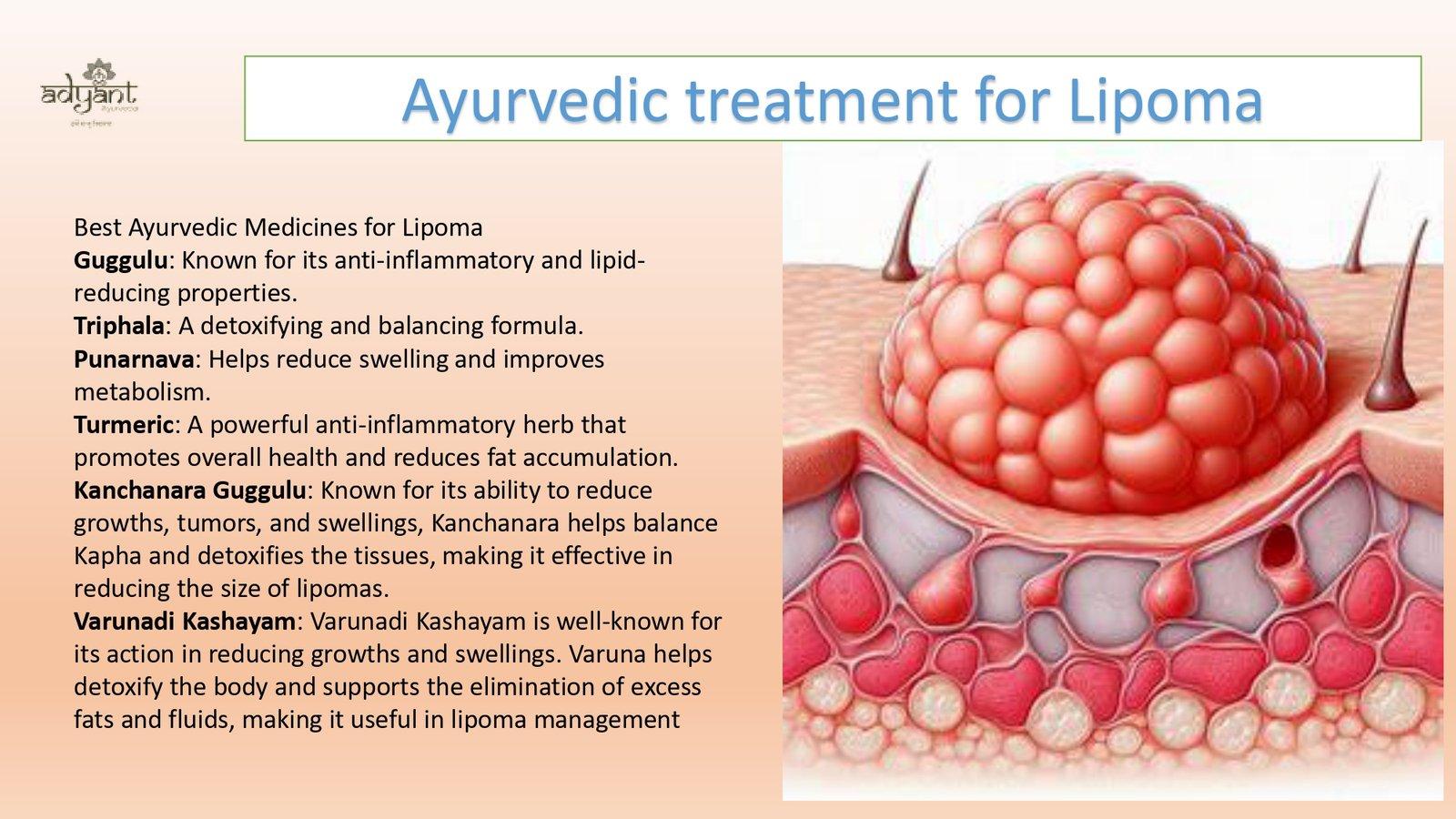
A lipoma is a benign growth consisting of mature fat cells enclosed within a thin capsule of connective tissue. These growths develop just beneath the skin and are usually soft, smooth, and movable when gently pressed. Lipomas grow slowly and often remain painless, making them different from many other types of skin lumps.
Although most lipomas are small, they can gradually enlarge over time. Some individuals develop only one lipoma, while others may develop several in different areas of the body. Regardless of the number, lipomas generally remain non-cancerous and rarely lead to serious health problems.
Causes of Lipomas
The exact cause of lipoma formation has not yet been fully established. However, researchers believe that several factors may increase the likelihood of developing these fatty growths.
Family History
A genetic tendency is one of the most significant factors. Individuals with family members who have lipomas are more likely to develop them.
Age
Lipomas are commonly diagnosed during middle adulthood, although they may appear at almost any age.
Inherited Disorders
Certain inherited conditions are associated with multiple lipomas occurring throughout the body.
Unknown Factors
Many lipomas develop without any identifiable cause and occur in otherwise healthy individuals.
Symptoms of Lipomas
Lipomas usually present with recognizable features that make them easier to identify.
Common symptoms include:
-
A soft lump beneath the skin
-
Slow enlargement over months or years
-
Smooth and rounded shape
-
Easy movement when touched
-
Usually painless
-
Normal skin color over the lump
Pain may develop if a lipoma grows large enough to compress nearby nerves or muscles.
Common Areas Where Lipomas Occur
Lipomas can develop in almost any location where fat tissue is present.
Neck
Lipomas on the neck are often easily noticed because of their visible position.
Shoulders
Shoulder lipomas may become uncomfortable when carrying bags or wearing fitted clothing.
Back
The back is one of the most frequent locations for lipoma development.
Arms
Lipomas commonly appear on the upper arms and usually remain painless.
Abdomen
Many abdominal lipomas are discovered during routine self-examination.
Thighs
Lipomas on the thighs generally do not interfere with daily activities unless they become unusually large.
How Lipomas Are Diagnosed
Proper diagnosis helps confirm that the lump is a benign lipoma rather than another type of soft tissue growth.
Physical Examination
The healthcare provider examines the lump to evaluate its size, shape, consistency, and mobility. The typical characteristics of a lipoma often make diagnosis straightforward.
Medical History
Information regarding when the lump first appeared, changes in size, family history, and associated symptoms helps guide further evaluation.
Ultrasound
Ultrasound imaging is frequently used to evaluate superficial soft tissue masses and determine whether they have the characteristics of a lipoma.
MRI
Magnetic Resonance Imaging provides detailed images of larger or deeper lipomas and helps evaluate their relationship with surrounding tissues.
CT Scan
Computed Tomography may be used in selected situations when further imaging is required.
Biopsy
If there is uncertainty about the diagnosis, a biopsy may be performed to examine a tissue sample under a microscope.
When Is Treatment Necessary?
Many lipomas do not require treatment because they remain stable and symptom-free.
Treatment is generally considered when the lipoma:
-
Continues to enlarge
-
Causes pain
-
Restricts movement
-
Interferes with daily activities
-
Creates cosmetic concerns
-
Becomes irritated by clothing
-
Requires confirmation of diagnosis
Prompt evaluation helps determine the most suitable treatment plan.
Treatment Methods
Several effective treatment options are available depending on the size, location, and symptoms of the lipoma.
Observation
Small, painless lipomas that remain unchanged often require only regular monitoring. Individuals should observe for any increase in size or new symptoms.
Surgical Excision
Complete surgical removal is the most common treatment. During the procedure, both the fatty tissue and its surrounding capsule are removed, reducing the likelihood of recurrence.
Surgical removal is often recommended for larger lipomas or those causing discomfort or cosmetic concerns.
Liposuction
Liposuction may be appropriate for selected lipomas. Fatty tissue is removed through a small incision using suction, although complete capsule removal may not always be possible.
Recovery After Treatment
Recovery is generally straightforward and depends on the treatment method and size of the lipoma.
Most people experience mild discomfort, swelling, or bruising that improves within several days.
Recommended recovery measures include:
-
Keeping the wound clean
-
Following aftercare instructions carefully
-
Avoiding strenuous physical activities during healing
-
Monitoring for signs of infection
-
Attending follow-up appointments if advised
Most individuals return to normal daily activities within a short period.
Can Lipomas Return?
When a lipoma is completely removed, recurrence is uncommon. However, if part of the capsule remains, the lipoma may return.
People with a hereditary tendency may also develop new lipomas in different parts of the body over time.
Tips for Monitoring Lipomas
Regular observation helps identify changes that may require medical attention.
You should seek evaluation if a lipoma:
-
Grows rapidly
-
Becomes painful
-
Feels unusually hard
-
Changes in shape
-
Becomes fixed in place
-
Develops redness or swelling
-
Interferes with normal movement
Early assessment allows timely diagnosis and appropriate treatment if necessary.
Supporting Overall Health
Although lipomas cannot currently be prevented, maintaining a healthy lifestyle supports overall wellness.
Helpful habits include:
-
Eating a balanced diet
-
Staying physically active
-
Maintaining a healthy body weight
-
Drinking enough water
-
Performing regular self-examinations
-
Seeking medical advice for unusual skin changes
These habits encourage overall health and early detection of changes that may require attention.
Conclusion
Lipomas are common benign fatty growths that usually develop slowly beneath the skin and rarely pose serious health concerns. While many remain small and symptom-free, treatment may be appropriate when they become painful, continue growing, or affect appearance or daily activities. Accurate diagnosis and proper management provide reassurance and help achieve excellent outcomes.
Understanding Lipoma Treatment in Jeddah enables individuals to recognize the symptoms of lipomas, appreciate the importance of early evaluation, and choose the treatment option that best suits their needs. With timely care and appropriate follow-up, most people recover well and continue their daily lives without significant limitations.

 Arabic
 French
 Spanish
 Portuguese
 Deutsch
 Turkish
 Dutch
Dutch
 Italiano
 Russian
 Romaian
 Portuguese (Brazil)
 Greek
Greek
 Bengali