


Common Building Defects Caused by Failed Sealants and Joint Gaps
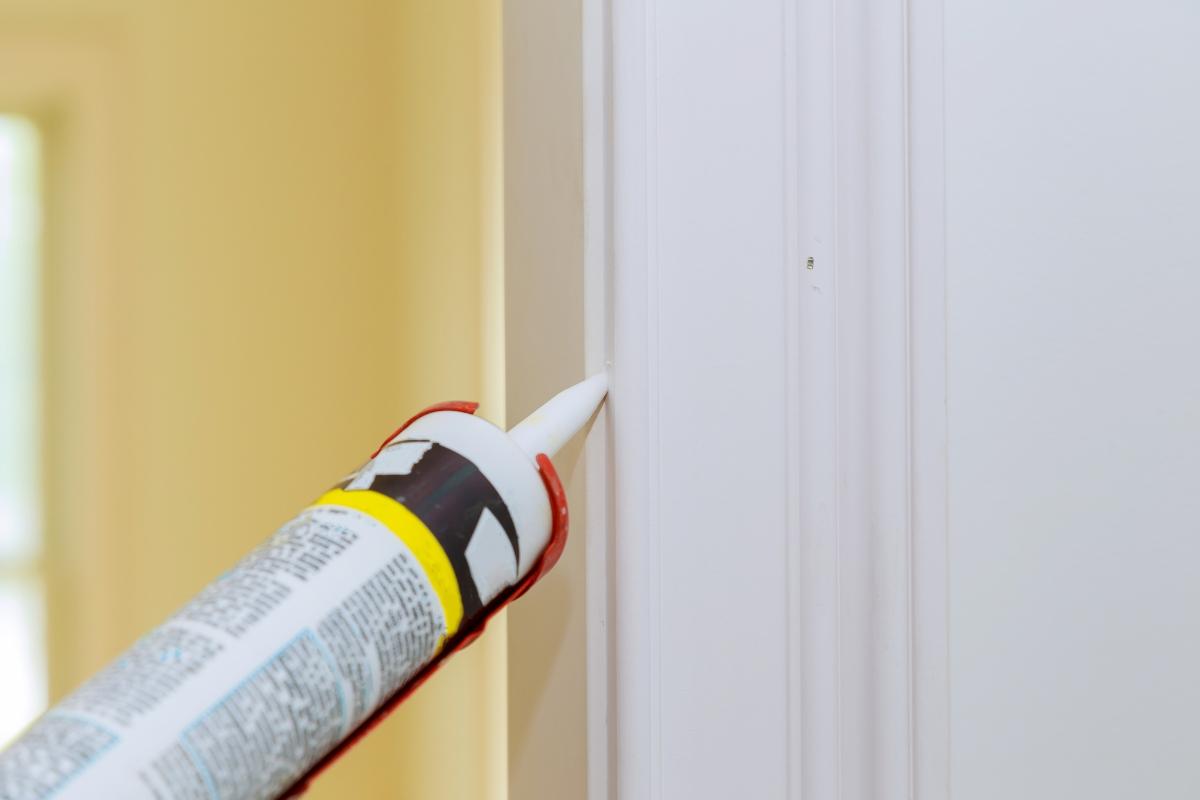
Buildings across Australia are constantly exposed to changing weather conditions, temperature fluctuations, moisture, movement, and general wear and tear. While many construction elements are designed to handle these challenges, sealants and joint gaps often play a critical role in protecting a building’s structure. When these protective barriers fail, small issues can gradually develop into major defects that affect appearance, performance, and long-term durability.
Sealants are used throughout residential, commercial, and industrial buildings to create flexible barriers around joints, gaps, and connections between different materials. They help prevent water entry, reduce air leakage, and accommodate natural building movement. However, when sealants deteriorate due to poor installation, ageing, incorrect product selection, or environmental exposure, they can create pathways for moisture and damage. Understanding the common building defects caused by failed sealants and joint gaps can help property owners identify problems early and take suitable action.
The Importance of Sealants and Joint Gaps in Buildings
Sealants and joint systems are essential components in modern construction. Buildings are made from various materials such as concrete, brick, glass, metal, timber, and composite products. These materials expand and contract at different rates due to temperature changes. Joint gaps allow controlled movement, while sealants provide flexibility and protection around these areas.
A properly installed sealant joint creates a durable barrier that supports the building’s performance. It prevents water penetration, protects internal spaces from moisture-related issues, and helps maintain the overall condition of the structure. When sealants fail, the protective function is reduced, allowing external elements to affect the building.
In Australia, buildings face unique environmental challenges, including intense sunlight, coastal conditions, heavy rainfall, humidity, and seasonal temperature changes. These conditions can accelerate sealant breakdown if joints are not properly installed or maintained. Regular inspections and timely maintenance are important for preventing minor sealant problems from becoming costly building defects.
Water Damage Caused by Failed Sealants
One of the most common problems associated with failed sealants is water intrusion. Cracked, separated, or deteriorated sealant joints can allow rainwater to enter areas where protection is required. Once moisture finds a pathway through damaged joints, it can travel behind walls, around windows, through façade systems, and into internal areas.
Water damage may not always be immediately visible. In many cases, moisture can remain hidden behind surfaces and gradually affect building materials. Over time, this can result in damaged plaster, stained walls, deteriorated finishes, and reduced indoor comfort.
Water entry caused by failed sealants can also contribute to structural concerns if left untreated. Moisture exposure may weaken certain building components and increase the need for extensive maintenance. Professional caulking repairs can help restore damaged joints and prevent further water-related deterioration.
Mould Growth and Indoor Air Quality Issues
Moisture caused by leaking joints and failed sealant applications can create conditions that encourage mould growth. When water enters building cavities or remains trapped in damp areas, mould can develop on various surfaces. This can affect the appearance of a property and may also impact indoor living conditions.
Mould-related issues are particularly concerning in areas with poor ventilation or repeated moisture exposure. Bathrooms, kitchens, balconies, façades, windows, and wet areas often require reliable sealing solutions to prevent ongoing moisture problems.
Addressing failed sealants quickly helps reduce the risk of moisture accumulation. Replacing damaged sealant joints and repairing gaps can improve protection against water entry and help maintain a healthier indoor environment.
Cracking and Separation Around Building Materials
Another common defect caused by failed sealants is cracking and separation between connected building materials. Sealants are designed to remain flexible while accommodating movement. However, aged or incorrectly installed sealants may become brittle and lose their ability to expand and contract.
When sealants no longer provide flexibility, gaps can appear between surfaces. These openings may become larger over time due to continued building movement, temperature changes, and exposure to weather conditions.
Cracked joints not only affect a building’s appearance but can also reduce its protective performance. Regular maintenance and appropriate remedial caulking services can help address deteriorated joints and restore the flexibility needed for long-term building protection.
Energy Efficiency Problems Due to Air Leakage
Failed sealants and open joint gaps can also affect a building’s energy efficiency. Gaps around windows, doors, façades, and other connections may allow unwanted air movement. This can make heating and cooling systems work harder to maintain comfortable indoor temperatures.
In Australian homes and commercial properties, maintaining effective insulation and sealing systems is important for improving energy performance. Poorly sealed areas may contribute to increased energy consumption and reduced indoor comfort.
Repairing damaged joints and improving sealing performance can support better temperature control. Properly maintained sealants help reduce unnecessary air leakage and contribute to a more efficient building environment.
Damage to External Building Appearance
Sealant failures can significantly affect the visual condition of a property. Discoloured, cracked, missing, or uneven sealant joints can make a building look poorly maintained. These issues are especially noticeable on external façades, around windows, balconies, and other visible areas.
Although appearance may seem like a minor concern, visible deterioration can indicate deeper maintenance problems. A building with damaged sealants may require attention to prevent further deterioration and preserve its overall condition.
Maintaining neat and effective sealant joints improves both protection and presentation. Professional maintenance solutions can help keep buildings looking well cared for while addressing underlying performance concerns.
Common Causes of Sealant Failure
Several factors can contribute to sealant breakdown. Understanding these causes can help property owners reduce future problems and plan appropriate maintenance.
Poor Installation Practices
Incorrect installation is one of the leading reasons for early sealant failure. If surfaces are not properly prepared before application, the sealant may not bond correctly. Contaminated surfaces, incorrect joint design, insufficient curing time, and poor application techniques can all reduce sealant performance.
A properly prepared surface and suitable installation approach are essential for achieving durable results.
Ageing and Natural Deterioration
Like many building materials, sealants have a service life. Continuous exposure to sunlight, rain, wind, and temperature changes can gradually reduce their flexibility and strength. Older sealant joints may become cracked, hardened, or separated from surrounding surfaces.
Regular inspections allow property owners to identify ageing sealants before major problems develop.
Weather and Environmental Exposure
Australian conditions can place significant stress on building joints. Strong ultraviolet exposure, coastal air, storms, and temperature changes can accelerate sealant deterioration. Properties in areas with harsh environmental conditions may require more frequent checks and maintenance.
Incorrect Sealant Selection
Different building areas require different sealing solutions. Using a product that is unsuitable for a particular surface, movement requirement, or environmental condition can result in premature failure.
Choosing the right sealing approach for each application is essential for achieving long-lasting performance.
The Role of Professional Remedial Caulking
When sealant joints fail, replacing them with a suitable repair solution is often necessary to restore protection. Remedial caulking Sydney solutions focus on identifying damaged joints, removing failed sealant, preparing surfaces, and applying new sealant systems designed to improve building performance.
Professional assessment is important because visible cracks or gaps may only represent part of the problem. A detailed inspection can help identify areas where moisture entry, movement, or deterioration has occurred.
Remedial caulking services are commonly used for residential properties, commercial buildings, apartment complexes, and other structures where maintaining effective sealing systems is essential. Proper remedial work can extend the life of building components, improve weather protection, and reduce the risk of future defects.
Why Regular Sealant Maintenance Matters
Many building defects become expensive because they are ignored during the early stages. A small gap around a window or a minor crack in a joint may seem insignificant, but repeated exposure to water and movement can gradually increase the damage.
Routine inspections allow property owners and building managers to identify potential issues before they develop into larger repair requirements. Maintenance programmes that include checking sealant joints can help protect buildings and maintain their value.
Preventative maintenance is generally more cost-effective than responding to extensive damage after water entry or structural deterioration has already occurred. Keeping sealants in good condition supports better building performance and long-term reliability.
Areas Where Sealant Problems Commonly Occur
Sealant failures can appear in many areas of a building. Some common locations include:
-
Window and door frames
-
External walls and façade joints
-
Balconies and terraces
-
Bathrooms and wet areas
-
Expansion and movement joints
-
Roof connections
-
Areas where different building materials meet
Each location has specific requirements based on movement, exposure, and material type. Identifying problems in these areas early can prevent widespread damage.
Protecting Australian Buildings from Sealant-Related Defects
Buildings require ongoing care to remain safe, comfortable, and visually appealing. Sealants may appear to be small components, but their role in protecting structures is significant. Failed sealants and joint gaps can contribute to water damage, mould growth, energy inefficiency, material deterioration, and costly repairs.
Property owners, builders, and facility managers should consider sealant condition an important part of building maintenance. Addressing damaged joints early through suitable repair solutions can help prevent further issues and improve the durability of a property.
Reliable sealing performance requires proper assessment, quality workmanship, and regular maintenance. By understanding the risks associated with failed sealants, Australian property owners can make informed decisions to protect their buildings from avoidable defects.
Conclusion
Failed sealants and joint gaps are common causes of building defects throughout Australia, but timely attention can significantly reduce their impact. From preventing water intrusion to improving energy efficiency and maintaining building appearance, effective sealant systems are essential for long-term property protection.
For professional solutions focused on restoring damaged joints and improving building performance, explore the services available through The Australian Caulking Company. Proper maintenance and expert repair approaches can help Australian properties remain protected against the challenges caused by weather exposure, movement, and ageing sealants.

 English
 Arabic
 French
 Spanish
 Portuguese
 Deutsch
 Turkish
 Dutch
Dutch
 Italiano
 Russian
 Romaian
 Greek
Greek
 Bengali