


Global Alcoholic Beverage Market: Trends, Growth Forecasts, and Future Outlook (2026–2034)
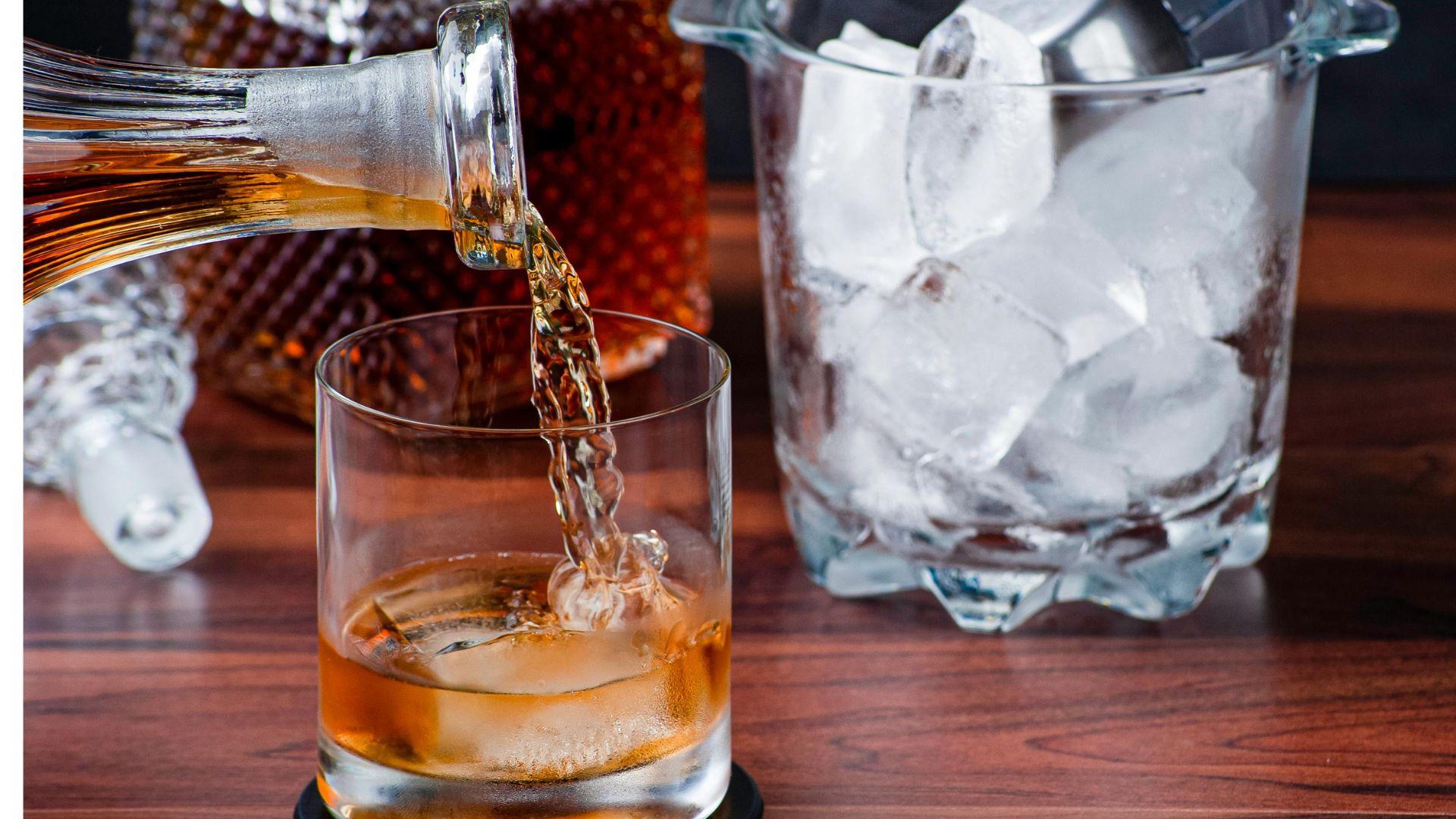
The global alcoholic beverage industry stands at a transformative juncture. As we move through 2026, the sector is being reshaped by a sophisticated blend of consumer premiumization, health-conscious innovation, and the rapid expansion of digital retail channels. According to Renub Research, the alcoholic beverages market is estimated to increase from its current value of US$ 1,855.75 billion in 2025 to reach US$ 2,908.62 billion by 2034, registering a compound annual growth rate (CAGR) of 5.12% during the forecast period of 2026–2034.
Download Free Sample Report: https://www.renub.com/request-sample-page.php?gturl=alcoholic-beverages-market-p.php
This robust growth trajectory is fueled by a profound shift in how consumers interact with alcohol. Modern drinkers—particularly among the younger, urbanized demographics—are prioritizing quality over quantity, seeking out unique craft experiences, and increasingly integrating low- or no-alcohol alternatives into their social and wellness routines.
Market Overview and Evolution
Alcoholic beverages, derived from the fermentation of sugars or distillation processes, have long been a cornerstone of human social culture. From beer and wine to complex spirits like whiskey, vodka, and rum, these drinks serve as vital accompaniments to festivities, culinary experiences, and recreational social gatherings.
Today, the industry’s rise is not merely about consumption; it is about the "experience economy." The global food and beverage market has witnessed significant innovations, including the surge of micro-distilleries, the professionalization of home bartending, and the rapid adoption of sustainable packaging. Factors such as rising disposable income, urbanization, and a globalized lifestyle continue to cement alcoholic beverages as an essential category in the global consumer landscape.
Key Growth Drivers
1. The Rise of Premiumization and Craft Culture
The most influential trend in the current market is the pivot toward premium products. Consumers are moving away from mass-market, commodity-driven alcohol and toward "premiumization"—the preference for high-quality, authentic, and artisanal options.
-
Craft Surge: The popularity of craft beers, craft spirits, and boutique wines is surging, driven by younger consumers seeking authenticity and unique flavor profiles.
-
Willingness to Pay: Consumers are demonstrating a greater willingness to spend on luxury and craft items, often influenced by sophisticated branding and compelling storytelling.
-
Industry Response: In April 2025, for instance, DeVANS Modern Breweries Ltd. expanded its portfolio into the premium craft gin segment, signaling how traditional manufacturers are adapting to capture the evolving preferences of urban consumers.
2. Social Drinking and Urbanization
As the world becomes more urbanized, the social architecture of our lives has shifted. Social drinking, once primarily tied to domestic or traditional events, has moved into modern spaces like chic bars, clubs, and curated social venues.
-
Younger Demographics: The rise of nightlife culture and the integration of women into broader social and professional environments have significantly expanded the consumer base.
-
Globalization of Habits: The free flow of information and travel has introduced consumers to diverse international drinking habits, further driving demand for a wider array of global alcoholic beverage varieties.
-
Infrastructure Growth: Organizations like Helen’s International Holdings (which recently debuted on the SGX Mainboard) highlight the ongoing success of large-scale, high-visibility bar networks that cater to this modern, social lifestyle.
3. Product Innovation and Diversification
The alcoholic beverage industry is proving its agility by diversifying portfolios to meet contemporary needs.
-
Ready-to-Drink (RTD) Revolution: RTD cocktails and pre-mixed beverages have become a dominant force, offering convenience without sacrificing the premium experience.
-
Technological Integration: Manufacturers are leveraging data analytics to track consumer behavior, enabling them to launch targeted flavors, eco-friendly canned formats, and single-serve luxury options.
-
M&A Activity: Large-scale consolidation, such as the acquisition of four major craft breweries by Tilray Brands, Inc. in 2024, demonstrates a strategic push to own diverse, high-growth craft assets.
Market Challenges: Navigating the Hurdles
Despite the promising growth, the industry faces significant headwinds that require strategic navigation.
Stringent Regulations and Policy
The alcohol industry is among the most heavily regulated sectors globally. Governments enforce strict controls over production, distribution, advertising, and taxation. For international brands, navigating the fragmented regulatory landscape—where policies vary from state to state or country to country—imposes significant compliance costs and operational complexities.
Health Awareness and the "Sober Curious" Movement
Increased awareness regarding the long-term health risks of alcohol—including liver health, obesity, and mental well-being—is driving a structural shift. The "sober curious" movement and the normalization of alcohol-free social events are compelling companies to innovate aggressively in the low- and no-alcohol segment. While this presents a challenge to traditional volume sales, it also opens up an entirely new market segment for alcohol-free beer, wines, and spirits that prioritize functional benefits and sophisticated flavor profiles.
Segment Deep Dive
Beer Market
Beer remains the most accessible and widely consumed alcoholic beverage globally. The segment continues to evolve through the lens of craft brewing, where traditional ingredients meet modern brewing techniques. The expansion of the "world beer" category and the increase in pubs and social outlets keep beer at the forefront of the industry’s growth.
Distilled Spirits
The spirits market is witnessing a renaissance of luxury. Whiskey, vodka, rum, gin, and tequila are increasingly marketed as high-end, age-worthy, or artisanal products. The growth of mixology culture and the trend of home bartending have shifted spirits from occasional drinks to lifestyle products that demand premium price points.
Packaging Evolution
Packaging is no longer just a vessel; it is a branding tool.
-
Glass: Remains the gold standard for premium spirits and wines due to its recyclability and the "quality perception" it confers.
-
Plastic & Tins: Gaining traction for convenience, durability, and cost-effectiveness, particularly in the booming RTD and outdoor-event categories.
Regional Perspectives
-
United States: A mature, highly dynamic market characterized by high consumer demand and a complex regulatory environment. Growth is currently centered on premium RTDs and craft products.
-
United Kingdom: Deeply rooted in pub culture, the market is currently seeing a significant shift toward quality over quantity, with strong growth in the low- and no-alcohol categories and a premiumization of gin and whiskey.
-
India: An emerging powerhouse where urbanization and rising disposable income are breaking down traditional social barriers to alcohol consumption. The industry is seeing massive investment in domestic premium spirits and craft malts.
-
Saudi Arabia: A unique market where traditional alcohol is restricted, but the demand for premium, alcohol-free alternatives and high-end hospitality experiences is surging, forcing brands to innovate within the bounds of local regulations.
Frequently Asked Questions (FAQs)
1. What is the projected market size for the global alcoholic beverage industry according to Renub Research? The global alcoholic beverage market is estimated to grow from US$ 1,855.75 billion in 2025 to US$ 2,908.62 billion by 2034.
2. What is the expected CAGR of the alcoholic beverage market from 2026 to 2034? Based on Renub Research data, the market is expected to grow at a compound annual growth rate (CAGR) of 5.12% during the forecast period of 2026–2034.
3. What are the primary drivers of the growth in the alcoholic beverage sector? Growth is primarily driven by the rising demand for premium and craft beverages, the expansion of social drinking culture, rapid urbanization, and continuous product innovations like low-alcohol alternatives.
4. How is the "sober curious" movement impacting the industry? The increased focus on health and wellness has led to a rise in demand for low- and no-alcohol beverages. Rather than shrinking the market, this trend is diversifying it, allowing brands to capture health-conscious consumers who still seek social drinking experiences.
5. Why are companies increasingly acquiring craft breweries? Large beverage companies are acquiring craft breweries to capture the younger demographic’s preference for authentic, high-quality, and unique drinking experiences, helping them maintain competitive relevance in a premiumizing market.
6. What role does packaging play in the current alcoholic beverage market? Packaging is critical for both utility and branding. While glass remains the preference for premium products due to its environmental benefits and "premium feel," plastic and cans are becoming essential for the convenience and portability required by modern, on-the-go consumers.
7. How do government regulations act as a challenge to the industry? Stringent regulations involving production, marketing, and taxation create significant operational and compliance costs for companies, particularly when they must navigate different rules across various international markets.

 Arabic
 French
 Spanish
 Portuguese
 Deutsch
 Turkish
 Dutch
Dutch
 Italiano
 Russian
 Romaian
 Portuguese (Brazil)
 Greek
Greek
 Bengali