


Cultivating the Future: The Global Commercial Greenhouse Market Outlook (2026–2034)
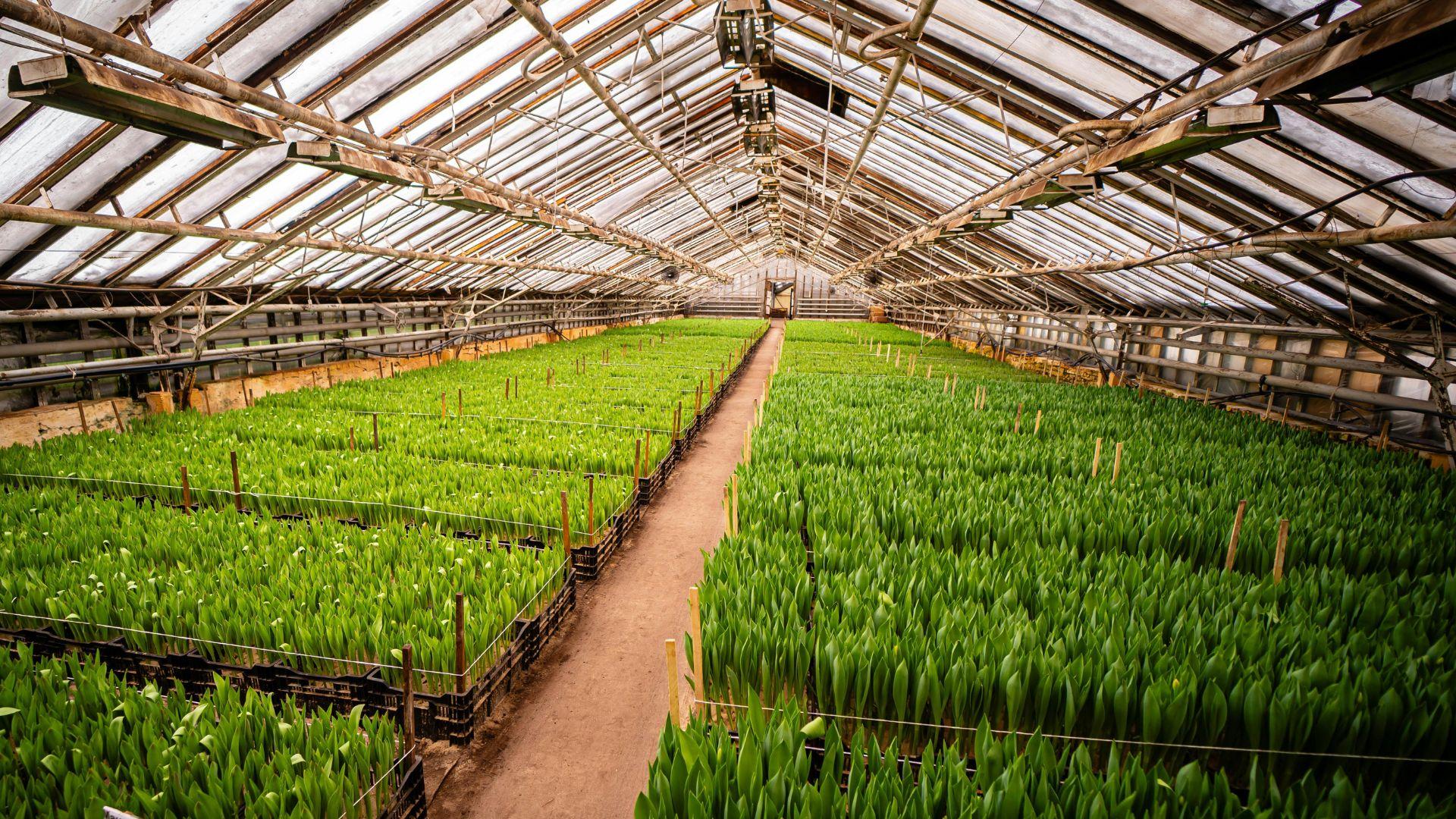
As the global population climbs and environmental pressures threaten traditional farming, the agricultural sector is undergoing a profound transformation. Controlled Environment Agriculture (CEA) has shifted from a niche practice to a cornerstone of food security. According to Renub Research, the global Commercial Greenhouse Market is poised for significant expansion, expected to grow from US$ 39.82 Billion in 2025 to reach US$ 79.14 Billion by 2034. This growth, projected at a Compound Annual Growth Rate (CAGR) of 7.93% between 2026 and 2034, is fueled by the urgent need for year-round production and the rapid integration of high-tech agricultural solutions.
Download Free Sample Report:https://www.renub.com/request-sample-page.php?gturl=commercial-greenhouse-market-p.php
Understanding the Commercial Greenhouse Paradigm
A commercial greenhouse is more than just a structure; it is a sophisticated agricultural environment engineered for the large-scale production of fruits, vegetables, flowers, and ornamental plants. By utilizing transparent materials—primarily glass or specialized plastics—these systems trap solar energy to create an optimal climate. Modern facilities go further, utilizing climate control systems to regulate temperature, humidity, and lighting, effectively shielding crops from the volatility of external weather patterns.
In an era defined by dwindling arable land and water scarcity, greenhouses offer an alternative that maximizes yield while minimizing resource consumption. Whether in Europe, the Americas, or Asia, governments and agricultural enterprises are increasingly viewing greenhouse technology as the primary defense against food insecurity.
Key Growth Drivers
1. Uninterrupted Year-Round Crop Production
Traditional farming is shackled by seasonality and climatic instability. As global demand for fresh produce spikes, the retail sector requires consistent year-round supply chains. Commercial greenhouses provide a sanctuary where crops can thrive regardless of the season, protecting plants from frost, droughts, or extreme heat. This reliability has made greenhouse-grown produce the preferred choice for retailers, driving massive investment from farmers looking to ensure steady annual revenue.
2. Technological Integration and Automation
The infusion of "Ag-tech" is perhaps the most significant catalyst for the industry. Modern greenhouses are now equipped with:
-
Climate Control & Sensors: Real-time data monitoring ensures optimal conditions, enhancing productivity.
-
Hydroponics & Aeroponics: These soil-less systems have revolutionized water conservation, using up to 95% less water than conventional field farming.
-
Dynamic LED Lighting: Innovations, such as those announced by Sollum Technologies in 2026 with their SF-INFINITE fixture, allow for precision-tuned light spectrums, enabling growth in diverse environments and maximizing efficiency.
3. Sustainability and Resource Efficiency
With the United Nations’ Food and Agriculture Organization (FAO) stating that food production must rise by 70% by 2050, traditional methods are insufficient. Greenhouse farming addresses this by optimizing the use of water, fertilizers, and pesticides. By creating a controlled, enclosed environment, farmers can significantly reduce the risk of pest infestations, thereby minimizing the need for chemical pesticides. This sustainability factor is driving both government support and a shift in consumer preference toward locally grown, resource-conscious food.
Market Challenges: Navigating Barriers to Entry
Despite the optimistic growth trajectory, the industry faces distinct hurdles:
-
Initial Capital Expenditure: The setup costs for modern, high-tech greenhouses are substantial. The infrastructure—including climate-controlled hardware, sophisticated irrigation systems, and high-grade glazing materials—requires significant upfront investment, which can be daunting for small-to-medium-scale producers.
-
Technical Complexity and Labor Gaps: Greenhouse management requires a specialized skillset. Farmers must understand environmental control, nutrient dosing, and software operation. As the industry moves toward autonomous systems, there is a critical shortage of technical labor trained to manage and maintain these advanced environments.
Deep Dive: Key Market Segments
The Greenhouse Plastic Market
Plastics—including polyethylene, polycarbonate, and PVC—remain the material of choice for many commercial operations. Beyond their cost-effectiveness, modern plastics are treated with UV stabilizers and anti-drip coatings, significantly extending the lifespan of the greenhouse while maintaining the high light transmittance necessary for plant health.
Fruits, Vegetables, and Nursery Crops
The fruit and vegetable segment dominates the market due to high consumer demand for quality produce. Simultaneously, the nursery crops segment is surging, fueled by the global interest in landscaping and the need for high-quality seedlings that are protected from early-stage environmental stress.
Tunnel and Hybrid Systems
-
Tunnel Greenhouses (Hoop Houses): These remain popular for their low cost and simplicity, acting as a "gateway" for small-scale farmers to extend their growing seasons without heavy capital outlay.
-
Hybrid Systems: The future lies in integration. Hybrid technology combines multiple components—such as glass structures with LED lighting and AI-driven environmental control—to create the most resilient growing environments possible.
Regional Perspectives
-
United States: A leader in tech-adoption, the U.S. is pushing the boundaries of autonomy. Recent developments, such as the 2026 launch of an autonomous robotic greenhouse by Oregon-based Canopii Inc., showcase the nation’s commitment to labor-saving, high-yield solutions.
-
United Kingdom: Facing a cold climate and a reliance on food imports, the UK is heavily investing in R&D to boost local production, often through government-backed innovation grants like the Defra Farming Innovation Programme.
-
India: The focus here is on scaling. Through initiatives like "Technology Vision 2030," Indian agricultural enterprises are leveraging shade nets and polyhouse structures to increase the income levels of smallholders while combating shrinking landholdings.
-
Saudi Arabia: In the face of extreme heat and limited arable land, Saudi Arabia is a prime example of greenhouse necessity. The development of high-tech facilities by firms like Topian (NEOM) highlights how controlled environments are the only path to national food security in arid regions.
Frequently Asked Questions (FAQs) – For Renub Research Users
1. What is the projected market value of the commercial greenhouse industry by 2034? The commercial greenhouse market is expected to reach US$ 79.14 Billion by 2034.
2. What is the expected CAGR for the commercial greenhouse market from 2026 to 2034? The market is anticipated to grow at a Compound Annual Growth Rate (CAGR) of 7.93% during this forecast period.
3. What is the primary driver behind the adoption of commercial greenhouse technology? The primary driver is the rising demand for year-round crop production to meet the needs of a growing global population, coupled with the need to overcome the limitations of seasonal and climate-dependent traditional farming.
4. How does greenhouse farming contribute to sustainability? Greenhouse farming optimizes resource use, utilizing up to 95% less water than traditional farming through techniques like hydroponics, while significantly reducing the need for chemical pesticides due to a controlled, protected environment.
5. What are the major challenges facing the commercial greenhouse sector? The primary challenges include high initial infrastructure and operational costs, as well as the requirement for specialized technical knowledge and skilled labor to manage advanced automated systems.
6. Why are plastics preferred over glass in many commercial greenhouse applications? Plastic materials are preferred by many small- and medium-scale farmers due to their cost-effectiveness, high flexibility, and ease of installation compared to glasshouse structures.
7. How are technology and innovation changing the commercial greenhouse industry? Technological advancements—such as AI, robotics, sensor-based climate control, and dynamic LED lighting—are enabling real-time management of crops, leading to higher yields, reduced waste, and the ability to grow crops in environments that were previously unsuitable for agriculture.

 Arabic
 French
 Spanish
 Portuguese
 Deutsch
 Turkish
 Dutch
Dutch
 Italiano
 Russian
 Romaian
 Portuguese (Brazil)
 Greek
Greek
 Bengali