


How Rodents Enter Homes in the USA Even When Doors Stay Closed
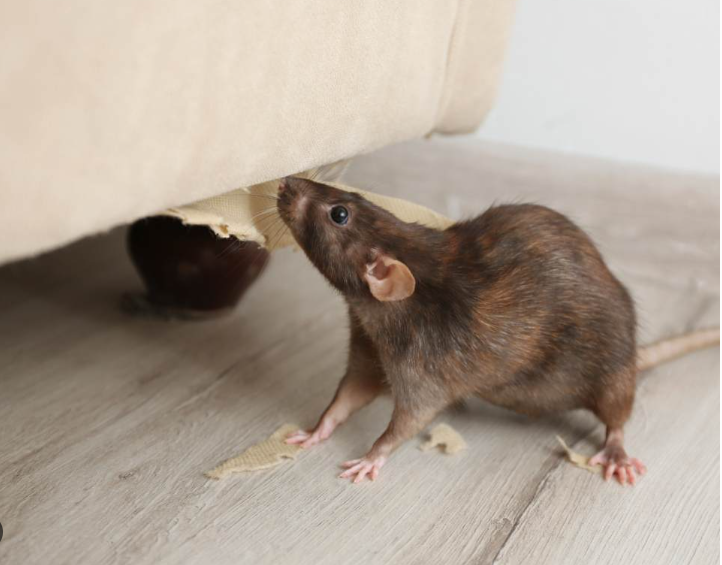
Introduction
Many homeowners believe that keeping doors and windows closed is enough to prevent rodents from entering their homes. Unfortunately, rats and mice are highly adaptable pests that can squeeze through incredibly small openings and use hidden pathways to gain access to residential properties. Across the United States, rodent infestations occur in both older and newer homes because these pests only need tiny gaps to enter. If you have searched for local rodent control experts near me, you may already suspect that rodents have found a way inside your home despite your best efforts. Understanding how rodents enter homes is the first step toward preventing costly damage, protecting your family's health, and keeping your property free from unwanted pests.
Why Rodents Enter Homes
Rodents are constantly searching for three basic necessities: food, water, and shelter. Homes provide everything they need to survive, especially during periods of extreme weather. In the summer, rodents seek cooler indoor environments with access to water. During colder months, they move indoors to escape freezing temperatures and find warm nesting locations.
Residential neighborhoods also offer abundant food sources, including pet food, garbage, bird seed, gardens, and pantry items. Once rodents discover a reliable source of food and shelter, they often remain nearby and reproduce rapidly.
Small Openings Around the Foundation
One of the most common ways rodents enter homes is through small cracks and gaps in the foundation. Over time, concrete foundations naturally develop tiny openings caused by settling, weather changes, and normal wear.
Although these openings may seem insignificant, mice can squeeze through holes as small as a quarter of an inch, while rats require only slightly larger gaps. These tiny entry points often go unnoticed because they develop gradually over the years. Regular inspections around the exterior foundation help identify areas that need sealing before rodents gain access.
Gaps Around Doors
Closed doors do not always prevent rodents from entering. Damaged weather stripping, worn door sweeps, and uneven thresholds create openings beneath exterior doors.
Garage doors are especially vulnerable because even small gaps underneath them provide enough space for rodents to enter. Once inside the garage, they can easily access storage areas, utility rooms, and eventually the rest of the home. Replacing damaged seals and installing quality door sweeps significantly reduces this risk.
Utility Pipe Openings
Every home contains plumbing pipes, electrical wiring, cable lines, and gas connections that pass through exterior walls. The spaces surrounding these utilities often contain small gaps that rodents use as entry points.
Even professionally constructed homes may develop larger openings over time as building materials expand and contract with changing temperatures. Sealing utility penetrations with durable materials helps eliminate one of the most common rodent access points.
Roof Vents and Attic Openings
Rodents frequently enter homes from above rather than at ground level. Roof vents, attic louvers, damaged soffits, and loose shingles create opportunities for roof rats and mice to gain access. Tree branches touching the roof act like bridges, allowing rodents to climb directly onto the home without ever touching the ground.
Once inside the attic, rodents find insulation, cardboard boxes, and stored belongings that provide ideal nesting materials. Routine roof inspections help detect damaged vents and roofing materials before infestations begin.
Chimneys Without Protective Covers
Uncovered chimneys provide another hidden pathway into homes. Rats, mice, squirrels, and other wildlife can climb inside chimneys searching for shelter. Although fireplaces remain unused for much of the year, rodents may still enter through open chimney flues if protective caps are missing or damaged. Installing properly fitted chimney covers helps prevent unwanted animal entry while maintaining ventilation.
Damaged Window Frames
Closed windows can still allow rodent entry if surrounding frames contain cracks or deteriorating seals. Older wooden window frames may develop gaps as the material ages, shrinks, or becomes damaged by moisture. Rodents exploit these weak areas to enter wall cavities or living spaces. Routine inspection and repair of window seals reduce the likelihood of rodent access.
Dryer and Exhaust Vents
Dryer vents, bathroom exhaust fans, and kitchen ventilation systems connect the inside of the home to the outdoors. Damaged vent covers, missing screens, or broken flaps create easy access points for rodents. Once inside these vents, rodents can travel through ductwork or nearby wall spaces. Keeping vent covers in good condition helps prevent infestations.
Crawl Space Vents
Many homes across the United States include crawl spaces beneath the structure. These areas often contain foundation vents that improve airflow. Damaged vent screens or broken covers allow rodents to enter crawl spaces where they nest beneath insulation, around ductwork, and near plumbing systems. Because crawl spaces receive little daily attention, infestations often remain unnoticed for long periods.
Openings Around Air Conditioning Units
Air conditioning systems require refrigerant lines, electrical wiring, and drainage pipes that enter the home through exterior walls.If these openings are not sealed properly, rodents use them to enter interior wall spaces.
Routine HVAC maintenance should include inspection of all exterior penetrations to ensure gaps remain securely sealed.
Roofline Gaps and Soffits
The roofline contains multiple construction joints where rodents may gain access if materials become damaged. Loose fascia boards, cracked soffits, deteriorating trim, and separated roofing materials create hidden openings that are difficult to notice from ground level.
Professional exterior inspections help identify these vulnerable areas before rodents establish nests inside the attic.
Sewer and Drain Connections
Although less common, some rodents can travel through sewer systems and enter homes through damaged drain pipes or defective plumbing connections.
Maintaining plumbing systems and repairing damaged drain components helps reduce this unusual but possible route of entry.
Garage Clutter Creates Hidden Access
Even after rodents enter through small exterior openings, garages often become their first nesting location. Stored boxes, unused furniture, paper products, pet food, and seasonal decorations provide ideal shelter.
Keeping garages clean and organized reduces nesting opportunities while making rodent activity easier to detect.
Landscaping Can Lead Rodents to Your Home
Trees, shrubs, vines, and overgrown vegetation provide natural pathways that guide rodents toward homes. Branches touching roofs allow rodents to bypass ground-level barriers completely.
Dense landscaping near foundations also hides entry points from homeowners while providing cover for rodents moving around the property. Maintaining proper landscaping creates a less attractive environment for rodents.
Why New Homes Still Get Rodents
Many homeowners assume only older houses develop rodent problems, but new construction is not immune.Construction materials naturally settle during the first few years, creating small gaps around foundations, windows, roofing materials, and utility penetrations.
Nearby construction activity may also disturb existing rodent populations, causing them to relocate into newly built homes.Routine inspections remain important regardless of a home's age.
Warning Signs Rodents Have Already Entered
Rodents rarely appear in open areas during daylight hours. Instead, homeowners usually notice indirect signs. Scratching noises inside walls or ceilings often occur during nighttime hours. Small droppings behind appliances, gnaw marks on food packaging, grease marks along walls, shredded paper used for nesting, unusual odors, and damaged insulation all indicate rodent activity. Recognizing these signs early allows homeowners to respond before infestations spread.
Preventing Rodent Entry
Preventing rodent infestations requires a combination of exclusion, sanitation, and regular maintenance. Exterior walls, foundations, roofing materials, utility penetrations, vents, and doors should be inspected regularly for gaps. Food should always be stored in sealed containers, garbage bins should remain tightly closed, and plumbing leaks should be repaired promptly.
Keeping vegetation trimmed away from buildings and reducing outdoor clutter also makes homes less attractive to rodents. Consistent maintenance significantly lowers the risk of infestation.
Why Professional Rodent Inspections Are Important
Many rodent entry points are hidden behind landscaping, inside crawl spaces, beneath roofing materials, or around structural components that homeowners rarely inspect. Professional rodent specialists understand rodent behavior and know where to look for subtle signs of activity.
A complete inspection identifies existing infestations, locates hidden nesting areas, seals entry points, and provides long-term prevention strategies designed specifically for the property.
Conclusion
Rodents can enter homes through surprisingly small openings even when every door and window appears securely closed. Foundation cracks, roof vents, utility penetrations, damaged weather stripping, crawl space vents, and landscaping all provide opportunities for rats and mice to gain access. Understanding these hidden entry points allows homeowners to take preventive measures before infestations become serious.
Routine inspections, proper home maintenance, and early detection remain the most effective ways to protect your property from rodent damage. If you suspect rodents have found a way into your home, Texas Pest Exterminators provides professional inspections, effective rodent removal, exclusion services, and long-term prevention solutions to help keep homes throughout the United States safe and rodent-free.
Frequently Asked Questions
Can rodents enter a home even if all the doors are closed?
Yes. Rodents rarely rely on open doors. They usually enter through small cracks in foundations, gaps around utility pipes, roof vents, damaged weather stripping, crawl space vents, and other tiny openings around the exterior of the home.
How small of an opening can a mouse fit through?
A mouse can squeeze through an opening about one-quarter of an inch wide. Rats require slightly larger openings but can still enter through surprisingly small gaps around foundations, doors, and utility lines.
Why do rodents enter homes during different seasons?
Rodents enter homes searching for food, water, and shelter. They often move indoors during extreme heat to find cooler conditions and during colder months to stay warm and protected.
How can I prevent rodents from getting inside my home?
Inspect your home regularly for cracks and gaps, repair damaged door seals, install vent covers, trim tree branches away from the roof, store food properly, eliminate clutter, and repair plumbing leaks to reduce rodent attraction.
When should I contact a rodent control professional?
If you notice droppings, scratching noises, gnaw marks, nesting materials, unpleasant odors, or repeated signs of rodent activity, scheduling a professional inspection is the best way to identify entry points, remove rodents safely, and prevent future infestations.

 English
 Arabic
 French
 Spanish
 Portuguese
 Deutsch
 Turkish
 Dutch
Dutch
 Italiano
 Romaian
 Portuguese (Brazil)
 Greek
Greek
 Bengali