


How Often Should You Test Your Blood Sugar? A Guide by Diabetes Type
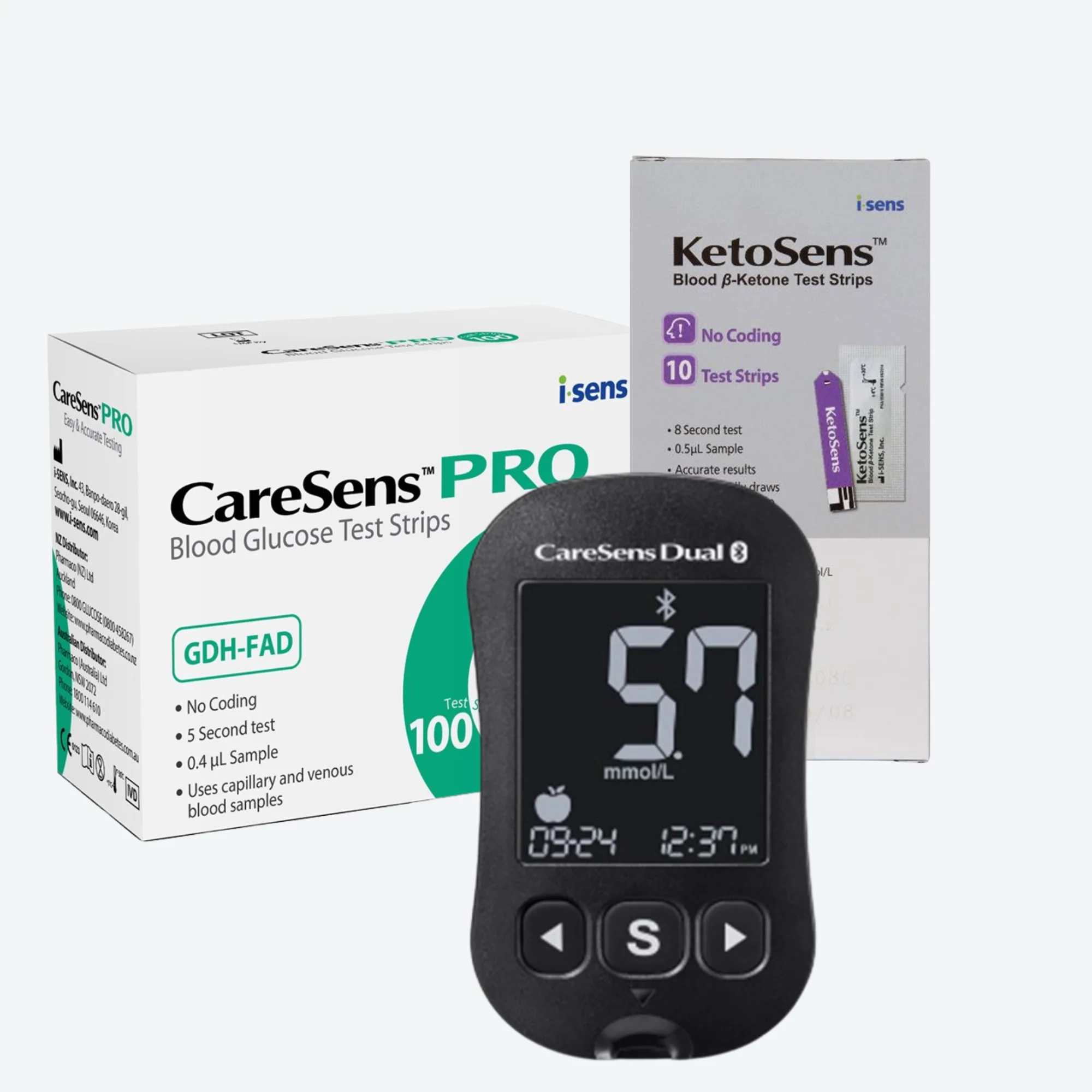
Managing diabetes well starts with understanding your own body, and testing blood sugar regularly is one of the most useful habits you can build. But how often is often enough? The answer depends on several factors, including which type of diabetes you have, your treatment plan, your medication and your daily routine. Even your age, activity levels and general health can play a part. This guide breaks down testing frequency by diabetes type, so you know roughly what to expect and can plan your routine with more confidence.
Why Testing Frequency Is Important
Blood sugar levels shift throughout the day based on food, activity, stress, sleep and medication. Testing at the right times helps you catch highs and lows early, rather than after they have already caused symptoms or bigger complications down the track.
A reliable blood glucose monitor gives you the data needed to spot patterns over time, rather than relying on how you feel in the moment. Regular readings help your GP or endocrinologist fine-tune your treatment plan with far more confidence than guesswork alone, particularly when doses or lifestyle habits are changing.
What Determines Your Testing Schedule
Your ideal testing frequency is not fixed, and it can change over time as your circumstances shift. It depends on whether you use insulin, how stable your levels usually are, and whether you are pregnant, unwell or currently adjusting medication doses.
Type 1 Diabetes
People with type 1 diabetes typically test four to ten times daily, since their bodies produce no insulin at all. A dependable blood glucose monitor is essential for safely calculating insulin doses and avoiding dangerous swings.
Testing before meals, before bed and before driving is standard practice. Many also check overnight occasionally, especially if hypoglycaemia has been an issue recently or insulin doses have changed.
Common testing points for type 1 diabetes include:
-
Before breakfast, lunch and dinner
-
Before bed and occasionally overnight
-
Before and after driving or exercise
-
Whenever symptoms of a high or low feel unusual
Type 2 Diabetes on Insulin
If you manage type 2 diabetes with insulin, testing frequency often mirrors type 1 guidance, though your doctor may recommend fewer checks depending on your specific insulin regimen and overall stability.
Typically, testing before main meals and at bedtime is advised. Your healthcare team may adjust this based on how well controlled your levels have been over recent months.
Type 2 Diabetes on Oral Medication
Those managing type 2 diabetes with tablets alone usually test less often, perhaps once daily or a few times a week, since blood sugar tends to stay more stable without insulin involved.
Checking at different times, such as fasting one day and after meals another, helps build a fuller picture of how food and activity affect your levels across the week.
Gestational Diabetes
Women with gestational diabetes are usually asked to test up to four times daily, including fasting each morning and after meals, to protect both their own health and their baby's.
This closer monitoring helps identify whether diet changes are enough, or if medication becomes necessary. Testing patterns often continue until after delivery, when levels are reassessed properly.
A typical gestational diabetes testing schedule may include:
-
Fasting first thing each morning
-
One to two hours after each main meal
-
Extra checks if advised after diagnosis
Prediabetes
If you have prediabetes, daily testing usually is not required. Occasional checks, guided by your doctor, can help track whether lifestyle changes are keeping your levels within a healthy range.
Testing becomes more useful if you notice symptoms of high or low blood sugar, or when starting new exercise routines, medications or significant dietary changes to your usual habits.
During Illness or Stress
Illness, infection and emotional stress can all raise blood sugar levels unexpectedly, even in people who normally have stable readings. More frequent testing is recommended throughout these periods.
Vomiting, fever or reduced appetite can also increase the risk of hypoglycaemia, so checking more often helps you respond quickly and avoid complications while you recover.
During illness, it helps to check:
-
Every four to six hours, even overnight
-
Before and after eating, if you can manage food
-
Whenever you feel unusually shaky, dizzy or unwell
Before and After Exercise
Physical activity affects blood sugar differently depending on intensity and duration. Testing before exercise helps you avoid starting a workout with levels already too high or too low.
Checking again afterwards shows how your body responded, which is particularly useful when trying new activities or adjusting insulin and carbohydrate intake around your sessions.
Finding Your Right Routine
Testing frequency is not one size fits all. It changes with your diabetes type, treatment, lifestyle and even how you are feeling on a given day. Working closely with your healthcare team helps you find a rhythm that keeps you informed without feeling overwhelming, and that rhythm may well shift again as your treatment evolves. Businesses such as IBD Medical support Australians managing diabetes by making reliable testing supplies and monitoring devices easy to access, helping you build a routine that fits comfortably into everyday life.

 Arabic
 French
 Spanish
 Portuguese
 Deutsch
 Turkish
 Dutch
Dutch
 Italiano
 Russian
 Romaian
 Portuguese (Brazil)
 Greek
Greek
 Bengali