


The Strategic Role of EHS Training in Organizational Performance
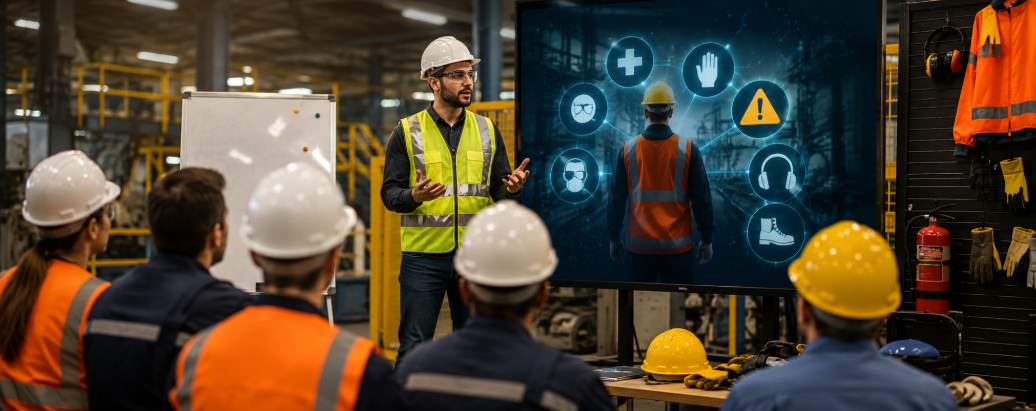
Creating a secure occupational setting remains a primary operational benchmark for modern enterprises across all industrial sectors. Organizations face complex challenges including legal compliance mandates, dynamic operational environments, operational hazards, and the absolute necessity of safeguarding human capital. A comprehensive strategy that integrates proactive hazard detection with robust risk management frameworks serves as the foundation for a productive corporate culture. When businesses prioritize systemic safety protocols, they actively minimize operational disruptions while simultaneously elevating workforce morale and protecting financial bottom lines.
Transitioning from an ad hoc safety approach to an organized corporate initiative requires systematic planning and strategic execution. Leadership must cultivate an environment where safety is viewed as a foundational asset rather than an administrative burden. This shift involves aligning organizational policies with recognized industrial hygiene benchmarks, ensuring every employee understands their functional role in keeping the workspace safe. By adopting high level safety paradigms, organizations establish a repeatable framework that can adapt to scaling business needs, equipment integrations, and shifting industry demands.
Core Elements of Environmental Health and Safety Frameworks
The second core element focuses on the strict enforcement of regulatory compliance metrics governed by national and regional safety bodies. Enterprises must remain continuously updated on evolving legal standards regarding air quality, noise thresholds, structural integrity, and waste disposal. Failing to meet these compliance criteria results in severe penalties, litigation risks, and irreparable damage to corporate reputations. Integrating compliance audits directly into standard workflows ensures continuous operational readiness and prevents the systemic oversight that often occurs during extended production cycles.
A third fundamental pillar involves establishing structured incident reporting mechanisms alongside analytical investigation workflows. When an anomaly or near miss occurs, the workforce requires a clear, non punitive path to report the observation immediately. Safety teams must then perform root cause analyses to discover the underlying breakdown in equipment, protocol, or human performance. Documenting these findings helps prevent the recurrence of similar events, transforming unforeseen operational challenges into valuable training material for organizational improvement.
Integrating Occupational Health with Industrial Hygiene
True operational safety extends well beyond immediate physical accident prevention to encompass the long term health of the workforce. Industrial hygiene focuses on identifying, evaluating, and controlling environmental stressors that could induce sickness, impaired health, or significant discomfort among workers. These stressors typically fall into chemical, physical, biological, or ergonomic categories, each requiring distinct monitoring techniques and specialized containment strategies. Professionals utilize advanced diagnostic equipment to sample air purity, measure sound frequencies, and evaluate radiation or electromagnetic exposure.
Mitigating chemical exposure demands strict engineering controls, such as specialized localized exhaust ventilation systems, alongside rigorous administrative protocols. Organizations must maintain exhaustive safety data sheets for every substance utilized on premise, making this vital safety information readily accessible to all personnel. Furthermore, when handling biological materials or highly volatile compounds, workspaces must implement isolated containment zones to avoid cross contamination and community exposure. These technical measures drastically lower the incidence of chronic occupational illnesses, safeguarding staff throughout their professional careers.
Ergonomic stressors represent another critical focus area within modern occupational health frameworks. Repetitive motions, poorly configured workstations, and inappropriate lifting techniques contribute heavily to musculoskeletal disorders across both industrial facilities and corporate offices. Designing ergonomically sound workspaces involves adjusting tool configurations, providing adaptable seating solutions, and establishing mandatory movement breaks during extended shifts. By proactively aligning physical tasks with human biomechanical capabilities, companies experience notable reductions in absenteeism and insurance claims.
Technical Training for Specialized Containment Environments
Certain industries, particularly the healthcare sector and complex construction domains, face unique safety scenarios that require highly specialized training infrastructure. Healthcare facilities present complex challenges due to the constant presence of infectious pathogens, radioactive diagnostic machinery, and vulnerable patient populations. Implementing infection prevention protocols requires specialized architectural containment systems that manage airflow dynamics and pressure differentials. Personnel operating within these sectors need deep technical knowledge of how these barrier systems function to prevent the migration of airborne contaminants.
Construction and maintenance activities occurring inside operational healthcare environments demand an even higher level of specialized oversight. Standard construction dust contains common fungal spores that pose severe threats to immunosuppressed patients housed in adjacent wards. For this reason, professional trade personnel must master the deployment and management of temporary anterooms, negative pressure HEPA filtration units, and precise environmental monitoring tools. This targeted educational programming ensures that essential infrastructure upgrades can proceed smoothly without compromising patient safety or clinical operations.
Environmental Remediation and Site Investigation Strategies
When corporate activities or historical practices leave behind ecological liabilities, businesses must deploy structured site investigation and environmental remediation strategies. The process begins with comprehensive Phase I and Phase II Environmental Site Assessments to chart the exact boundaries and concentration of subsurface contamination. Geologists and environmental engineers extract soil gas, groundwater, and core soil samples to evaluate potential migration pathways toward public resources. Understanding these underground contamination profiles allows teams to develop effective cleanup strategies tailored to the unique geological conditions of the property.
Beyond active remediation, long term environmental regulatory compliance requires continuous oversight of industrial waste streams, stormwater discharge, and atmospheric emissions. Facilities must implement advanced monitoring hardware to record real time emissions data, ensuring operations stay well below legal discharge limits. Establishing automated alert systems for tracking chemical inventories and storage tank integrity helps prevent catastrophic leaks before they hit the surrounding ecosystem. These proactive measures allow enterprises to demonstrate true environmental stewardship while avoiding costly legal disputes.
Building a Culture of Safety and Collaborative Leadership
While technical systems and regulatory compliance checklists provide a solid framework, true operational safety requires a deeply embedded corporate culture. A resilient safety culture emerges when workers at every organizational tier actively participate in maintaining workplace health. This cooperative atmosphere relies on transparent communication channels where frontline workers feel fully empowered to halt operations if they spot an immediate hazard. When employees see management rapidly addressing reported safety concerns, trust grows, and safety becomes a shared core value rather than a top down mandate.
Leadership teams must lead by example, visibly participating in safety walkthroughs and prioritizing safety metrics right alongside production targets during executive meetings. Corporate communication channels should regularly highlight safety milestones, share lessons learned from near miss incidents, and recognize teams that demonstrate exceptional safety habits. By celebrating safety successes, organizations reinforce the idea that operational excellence and worker well being are inextricably linked. This positive reinforcement encourages ongoing vigilance and prevents the organizational complacency that often leads to workplace accidents.
Frequently Asked Questions
What are the primary responsibilities of an environmental health and safety consultant?
An environmental health and safety consultant assists organizations in identifying workplace hazards, interpreting complex regulatory standards, and implementing customized risk mitigation programs. These professionals conduct comprehensive site audits, perform industrial hygiene sampling, and design targeted training courses to ensure corporate compliance and protect worker health.
How do healthcare facilities manage infection risks during infrastructure renovation?
Healthcare facilities utilize specialized containment systems, such as negative pressure enclosures, temporary anterooms, and HEPA filtration units, to isolate construction dust and airborne pathogens. They also implement strict operational protocols and environmental monitoring to safeguard vulnerable patient populations in adjacent areas.
What is the difference between a Phase I and Phase II Environmental Site Assessment?
A Phase I assessment involves historical research, regulatory database reviews, and a visual site inspection to identify potential environmental liabilities or contamination risks. If potential issues are discovered, a Phase II assessment is conducted, involving actual soil, groundwater, or vapor sampling to confirm the presence and extent of contamination.
Why is industrial hygiene considered a critical component of workplace safety programs?
Industrial hygiene focuses on identifying and controlling environmental stressors such as toxic chemicals, extreme noise, radiation, and ergonomic hazards before they cause chronic illness or injury. By addressing these hidden risks, it protects long term workforce health and reduces occupational disease claims.
How can a business effectively measure the success of its safety initiatives?
Businesses measure safety success by tracking a combination of leading and lagging indicators. Leading indicators include safety training completion rates, the number of proactive hazard reports, and audit scores, while lagging indicators track total recordable incident rates and lost workdays.
Closing Thoughts
Establishing a world class workspace requires a holistic strategy that seamlessly blends rigorous technical compliance with a proactive organizational culture. By deploying advanced industrial hygiene practices, utilizing comprehensive environmental remediation strategies, and investing in targeted training infrastructure, modern enterprises can successfully navigate complex regulatory environments.
Prioritizing worker well being creates a resilient, high performing workforce, protects corporate assets, and positions the organization as a responsible leader in its industry. Continuous improvement, open communication, and strategic educational initiatives form the bedrock of a safe, sustainable, and highly successful business operation.

 Arabic
 French
 Spanish
 Portuguese
 Deutsch
 Turkish
 Dutch
Dutch
 Italiano
 Russian
 Romaian
 Portuguese (Brazil)
 Greek
Greek
 Bengali