


Managing Milia through Skin Lesion Removal in Riyadh
Managing Milia through Skin Lesion Removal in Riyadh
Skin Lesion Removal in Riyadh frequently includes the treatment of milia, which are tiny, dome-shaped, pearly-white or yellowish cysts that appear just beneath the skin's surface. These common lesions are primarily composed of keratin—a protein typically found in skin tissues—that has become trapped. While they are most often seen in infants, they are also very common in adults, frequently appearing around the eyes, cheeks, and forehead. Though they are completely benign and pose no health risk, they are often a source of cosmetic concern for patients. Understanding the professional methods available for their removal allows individuals to address these persistent bumps effectively and safely under the guidance of a dermatological specialist.
Clinical Identification and Assessment
Milia are easily recognized by their distinct appearance: small, firm, and white or yellowish in color. They are not to be confused with whiteheads or acne, as they are not inflammatory and do not have an opening (pore) in the same way that a comedone does. A key clinical observation for a dermatologist is their superficial nature; they are located in the uppermost layers of the epidermis. During a consultation, a specialist will assess the distribution of the milia. While often appearing spontaneously, they can sometimes be associated with previous skin trauma, such as burns, dermabrasion, or long-term use of certain heavy topical products. Professional evaluation is essential to confirm that the lesions are indeed milia and to determine the best approach for their removal.
Professional Removal Techniques
Because milia are superficial, their removal is a swift and straightforward procedure that requires minimal downtime. The primary goal is to provide a clean exit point for the trapped keratin while ensuring the delicate skin remains unharmed.
-
De-roofing (Manual Extraction): This is the most common method for individual milia. A sterile, fine-gauge needle or a small surgical blade is used to gently nick the surface of the skin over the milium. Once a small opening is created, the clinician uses a comedone extractor or gentle pressure to express the trapped keratin contents.
-
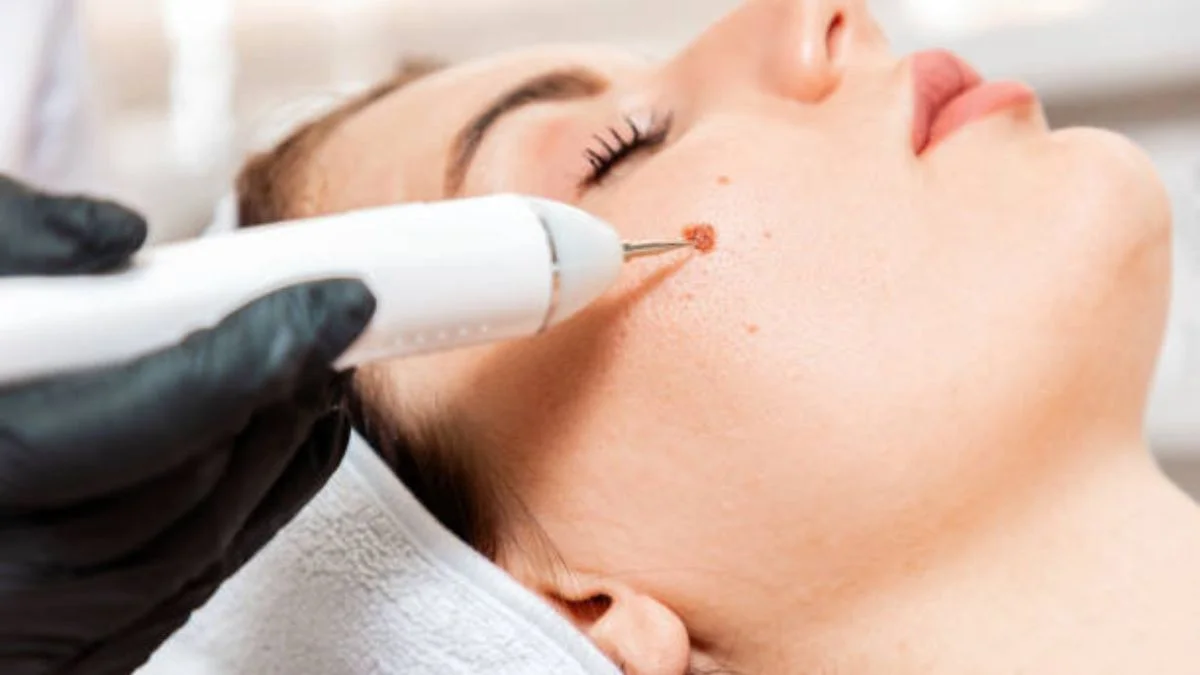
Electrocautery: For patients with multiple or recurrent milia, electrocautery can be used to treat the lesions precisely. A fine-tipped probe delivers a small amount of heat to the surface of the lesion, facilitating its removal. This method is highly controlled and very effective for clearing larger areas of skin.
-
Chemical Peels: In some cases, particularly when milia are numerous, a superficial chemical peel (such as one utilizing glycolic or salicylic acid) can be recommended. These acids help to gently exfoliate the top layer of skin, encouraging the milia to naturally open and drain over time.
Why Professional Care is Vital
It is strongly advised that patients avoid attempting to remove milia at home. Using non-sterile needles or applying excessive pressure to "pop" these cysts frequently leads to infection, scarring, and the development of post-inflammatory hyperpigmentation, especially on the thin skin around the eyes. Professional removal in a clinical setting in Riyadh ensures the use of sterile, precision instruments, drastically reducing the risk of complications. Furthermore, a specialist can provide customized advice on skincare, identifying whether current routines might be contributing to the formation of new milia, such as the use of overly occlusive creams or heavy eye products.
Recovery and Aftercare Expectations
Recovery after milia removal is typically immediate. Patients may notice minor redness or tiny pinprick marks at the site of the removal, which usually fade within a few hours to a day. There is no significant downtime, and patients can generally return to their normal activities right away. Aftercare primarily focuses on keeping the skin clean and avoiding the use of irritating cosmetic products for a few days. Because the treated skin is temporarily sensitized, strict sun protection is necessary. The application of a broad-spectrum, non-comedogenic sunscreen is strongly recommended to protect the skin and maintain its overall health and even tone.
Long-Term Management Strategies
While milia can be removed successfully, they may recur if the underlying factors—such as skin trauma or skincare product choices—are not addressed. Many patients benefit from a skincare routine that incorporates gentle exfoliation, which helps keep the pores clear and prevents keratin buildup. Regular visits to a dermatologist allow for professional monitoring and the quick treatment of any new milia that might emerge. By opting for professional removal and adopting a personalized skincare strategy, individuals can maintain a smooth, clear complexion with confidence, benefiting from the expert, evidence-based care available in Riyadh’s medical landscape.
This is the fourteenth of 37 articles. Please let me know when you are ready for the fifteenth article in this series.

 Arabic
 French
 Spanish
 Portuguese
 Deutsch
 Turkish
 Dutch
Dutch
 Italiano
 Russian
 Romaian
 Portuguese (Brazil)
 Greek
Greek
 Bengali